7 Ways Music and Art Benefit Young Children
Music and art are powerful tools for improving learning and development in young children. Although many people believe that music and art activities are best for older kids, the truth is that even infants can benefit from these playful experiences. Here’s what you need to know about how these activities can help your child grow:

I. Music development
Music development is a big part of early childhood education. Music helps children develop their listening skills, which will help them learn to cooperate with others. It also helps them follow instructions and rules, as well as read and write numbers.
II. Improved listening skills
Listening to music helps children focus on the task at hand. Researchers have found that listening to a certain type of music can increase brain activity by 40 percent and improve attention span by more than 50 percent!
This is because listening requires our brains to process information coming in through our ears, which involves focusing and concentrating. So when you’re putting your baby or toddler down for a nap with some lullabies playing in the background, you’re helping them develop their ability to concentrate for longer periods of time.
III. Language development
Music and art can help a child develop language skills, express themselves, and understand the world around them.
- Music: Children learn to understand rhythm, pitch, and tempo through listening to music. They also learn about melody by singing along with you or another adult in their life.
- Art: When you draw pictures with your child, they will get practice communicating ideas through drawing lines and shapes on paper. This may help them later when they learn how to write words down on paper!
IV. Improves math skills
Music and math are related, so it’s no surprise that music can help kids learn math. Using music to teach kids math is a great way to make the subject fun and engaging. You can use songs or instruments as tools for learning new concepts and strategies, which will help them retain information long-term.
For example, if you want your child to understand fractions in the abstract (as opposed to visualizing them), try playing some songs on the piano with lyrics like “I’m half this” or “You’re one third me.” This will give them an opportunity not only for listening comprehension but also for applying their knowledge of fractions in real-world situations.
V. Creates artful thinkers
Music and art can help children develop their imaginations. They also learn how to listen carefully to other people’s ideas, which helps them develop empathy and compassion for others.
Music has been shown to promote learning in children by helping them think creatively when solving problems. Studies have shown that students who participated in band classes showed higher levels of self-esteem than those who did not participate. This may be because playing an instrument requires practice at least once per week. If not more often, depending on how much time you want your child to spend practicing each day.
VI. Creates a positive self-image
Self-esteem is a crucial part of a child’s development, and it’s one of the best ways to help them succeed in life. Art and music can help children develop positive self-images by giving them opportunities to express themselves and build confidence in their abilities.
VII. Helps children learn to cooperate with others
Music and art programs are one of the best ways to help children learn to work together. Children have a natural desire to express themselves, but they often need guidance in order to do so. With music and art classes, your child will be encouraged to participate in group activities. This not only helps them develop their own unique style but also teaches them how important it is for everyone’s ideas or opinions to be heard.
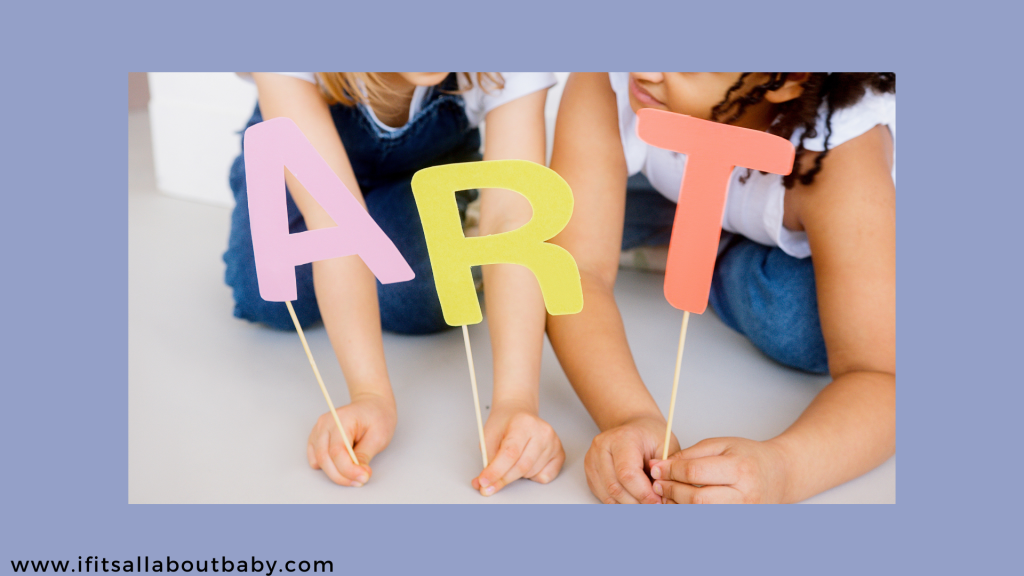
Music and art have been shown to have multiple benefits for children from a young age.
Even before they start talking themselves, children learn how to communicate through music—listening intently while you sing them a song or playing “peekaboo” with the melody of your voice when you’re changing their diaper. Art helps kids develop skills like cooperation and problem solving that will help them later on in life too!
Music and art are some of the most effective ways to build a child’s learning, communication, and social skills.
Music and art can help children learn about different cultures by exposing them to music from different countries or art styles that they may not have seen before. These programs also allow children to express themselves through creative expression, which can be very beneficial in helping them develop their own identity as individuals with their own thoughts on certain topics.
Music and art are important parts of childhood. They help develop brain function and stimulate creativity. They also provide opportunities for social interaction and the expression of emotions through play. While many of these benefits may seem obvious, sometimes we forget just how much our kids need them!
Tips for Keeping Your Child Safe Online: https://ifitsallaboutbaby.com/tips-for-keeping-your-child-safe-online/