

You’ve waited for this moment your whole life, and now it’s finally here! Your baby is finally here—the little bundle of joy who will change your life forever.
But even though you’re probably excited about starting your new family, you might be feeling overwhelmed by all the changes that come with having a newborn in the house.
You’ll go from being able to take care of yourself and do whatever you want whenever you want to having a tiny human being who needs constant attention. If you’re expecting your first child or if it’s been awhile since your last one was born, these tips will help make those first few weeks with a newborn less stressful on both parents:

The first few weeks with a newborn can be overwhelming.
Newborns require a lot of care and attention. They cannot do anything for themselves, so you’ll have to be prepared to feed them, change their diapers, bathe them, and carry them around the house. Newborns are fragile and need lots of love from their parents—this can be overwhelming at first as you adjust to your new routine as parents.
You’ll spend a lot of time just holding the baby.
As a new parent, you’ll want to hold your newborn as much as possible. You might also find yourself wanting to hold the baby at night when it’s time for bed.
Holding your newborn and bonding with him or her is one of the best ways that you can get to know each other better, and it will help both of you develop an attachment that lasts throughout childhood.
You’ll be up when the baby is up and sleep when the baby does.
Your newborn will wake up frequently during the night, usually every two hours or so. They won’t be able to control their own body temperature for a few months yet (though they can sweat), so you’ll need to keep an eye on them and make sure they don’t overheat or get too cold while they’re sleeping.
Keep in mind that your baby won’t have a regular schedule yet—they may eat every two hours during one day but then only want food every four hours later on in another day. So don’t worry if things aren’t going exactly according to plan!
You’ll wonder if you’re doing everything right.
You’ll get used to the baby’s schedule and know when she needs to eat or be changed, but it can take a few weeks for your body to adjust to being up at night with her.
If you’re having trouble sleeping, try taking naps during the day or using strategies like white noise machines (which play sounds like ocean waves) or sound machines (which play lullabies), which might help set a consistent sleep routine for everyone in your family.
- You will learn what works for you and what doesn’t—and adjust accordingly! For example, if breastfeeding works better than pumping milk into bottles because it gives mom more freedom throughout the day, great! But if bottle feeding is easier because breast milk isn’t available yet, that’s also great!
You can use whichever method makes sense according to your situation so that everyone involved gets fed properly while also getting enough rest.
- It’s important not only that parents understand how much time they need each day but also how much energy those activities require so they can plan accordingly before making commitments outside of their home environment, such as volunteering at school events or attending religious services regularly without feeling exhausted afterwards.
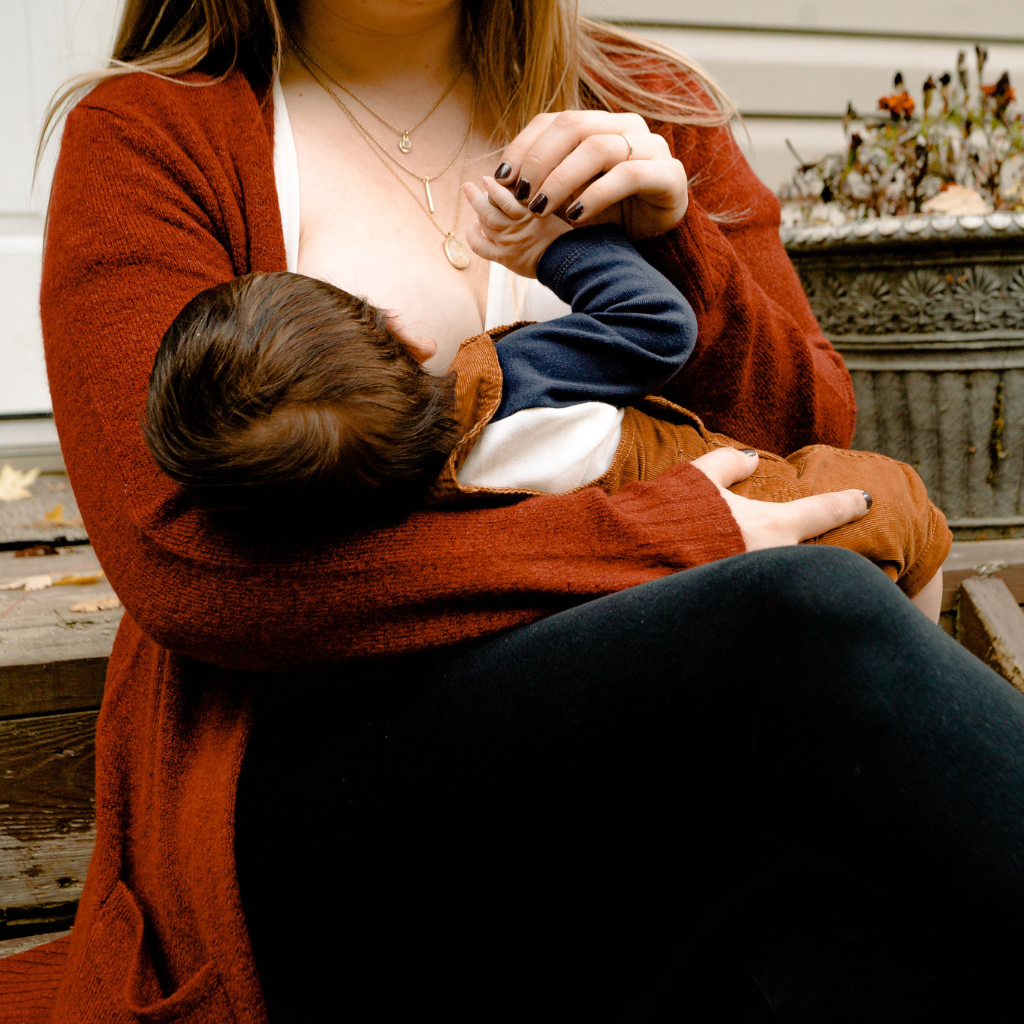
You’ll have a lot of questions about breastfeeding and what to expect at each stage of growth.
Breastfeeding is a natural process that nourishes your baby and helps you bond with them. It’s also good for the baby’s immune system, as well as yours—it can reduce their risk of contracting infections in early life.
If you’re worried about how breastfeeding might affect your figure or career aspirations, take comfort in knowing that many moms who breastfeed go back to work after having children without any difficulty (and often find themselves happier). There are plenty of resources out there if you need help getting started or troubleshooting issues like latching problems or sore nipples.
The first few weeks will help you get to know your baby better than anyone else.
In the first few weeks, you will learn to recognize your baby’s cries. You’ll learn what she needs when she cries and how to calm her down. You will also be able to tell when your baby is tired, hungry, happy, or sad.
This is one of the most important things a new parent can do: figure out their newborn’s cues so they can respond quickly and efficiently when something goes wrong with them.

Your partner will likely feel more excited than tired during this period.
It’s natural for them to want to hold the baby and help out with all kinds of things, from changing diapers to breastfeeding.
They’ll also be eager to learn more about what you’re doing with the baby, so take some time together each evening after work or school as a couple (and maybe even on weekends) where you can discuss how things are going and make plans for future nights out together when there aren’t any newborns around!
The first few weeks are an exciting time for both parents and babies alike; it’s an opportunity for everyone involved to learn more about each other and grow closer together as a family unit. It can also be overwhelming at times, though; there are many things going on all at once: feeding schedules, diaper changes (and lots of them), getting used to being awake most nights—the list goes on!
Having a newborn can be extremely challenging. You’ll spend a lot of time just holding the baby and sleeping when the baby does. You’ll wonder if you’re doing everything right. But don’t worry—even though it can seem like you’re not doing anything at first, follow your instincts and enjoy this time with your newborn!