
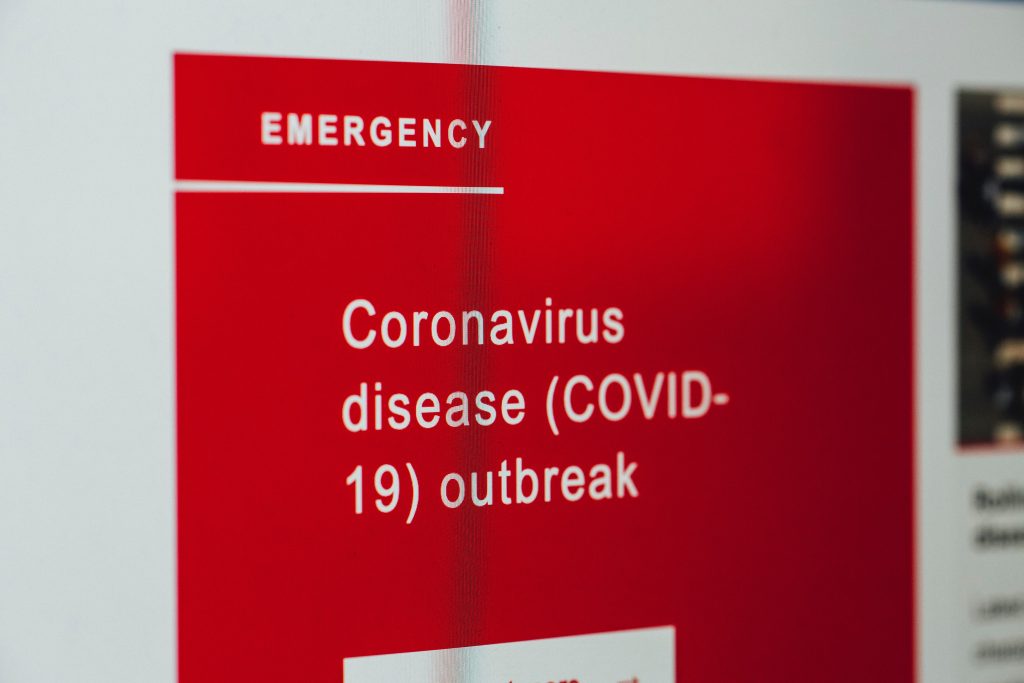
A global outbreak struck worldwide in 2020, leading to widespread lockdown. COVID-19 has affected so many, including young children’s physical and mental health.
Coronavirus disease (COVID-19) is a virus that attacks the brain and can be fatal. It is highly contagious, as it’s transmitted through bodily fluids such as saliva or blood. If you have COVID-19, you may not know it right away because its symptoms are similar to those of other illnesses like the flu or meningitis.
COVID-19 is likely to interfere with the cognitive development of a child. Young children often become isolated after being diagnosed with this disease. However, children can learn to cope with this infectious disease if given the proper support and guidance.
The impact of COVID-19 on young children’s mental health can be severe.
The virus is passed on through a parent or parent figure and affects the brain, causing bipolar disorder, schizophrenia, and psychosis.
As a young child, you are likely to be exposed to mental illness at some point in your life. It is important for you and your family members to know that this is not something that can be cured with a simple treatment or medication.
Mental illnesses are lifelong conditions that require ongoing support and guidance from trained professionals like social workers and psychologists.
Children need to be reassured that they are not alone and that they are not to blame for the condition being passed on to them by their parent or parent figure.
They may feel guilty about inheriting a disease from their parents, especially if it is life-threatening, like COVID-19. It is important for children who have been diagnosed with this condition to know that it was not their fault; it simply happened due to genetics.
It is also important for parents and other caregivers of young children with COVID-19 infection symptoms or even milder forms of COVID-19 infections (e.g., flu) to ensure that these individuals know how to best respond in order to maximize their chances at recovery in terms of both physical health outcomes as well as psychological well-being outcomes such as lower levels of stress or anxiety.
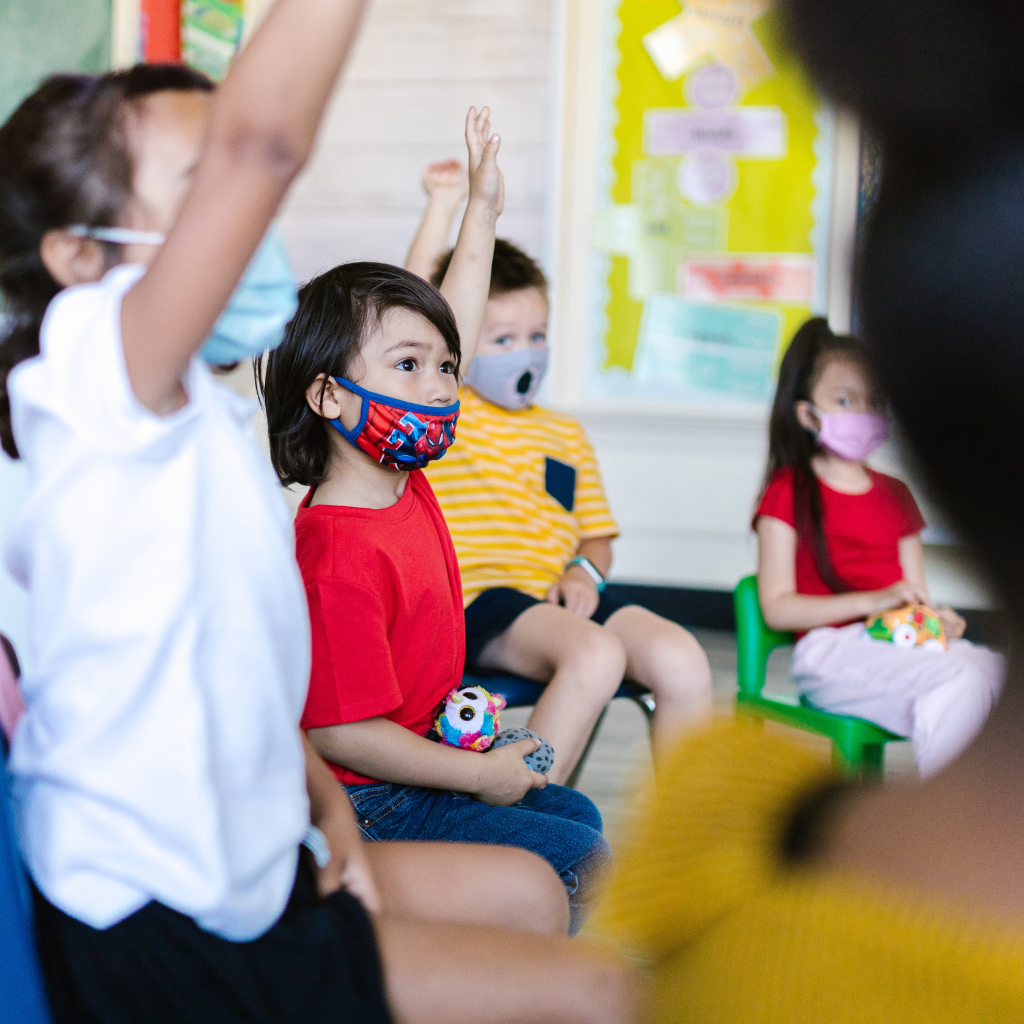
Cognitive development can be stunted by COVID-19.
This can lead to poor performance in school and other areas of life, as well as isolation and depression. Children with COVID-19 may also have problems with impulse control, which can make them more likely to engage in risky behavior or become violent.
Young children often become isolated after being diagnosed with COVID-19.
As a child, you may feel isolated from your peers. This is a normal response to the diagnosis. However, it’s important for you to know that there are people who can help you feel better about yourself and your situation.
Your parents or guardians should reassure you that they love and support you no matter what happens in life. They will be there for as long as possible, and always remember that COVID-19 doesn’t define who they are as individuals; it only affects how we interact with each other on an emotional level due to the stigma surrounding mental health issues such as depression or anxiety disorders.
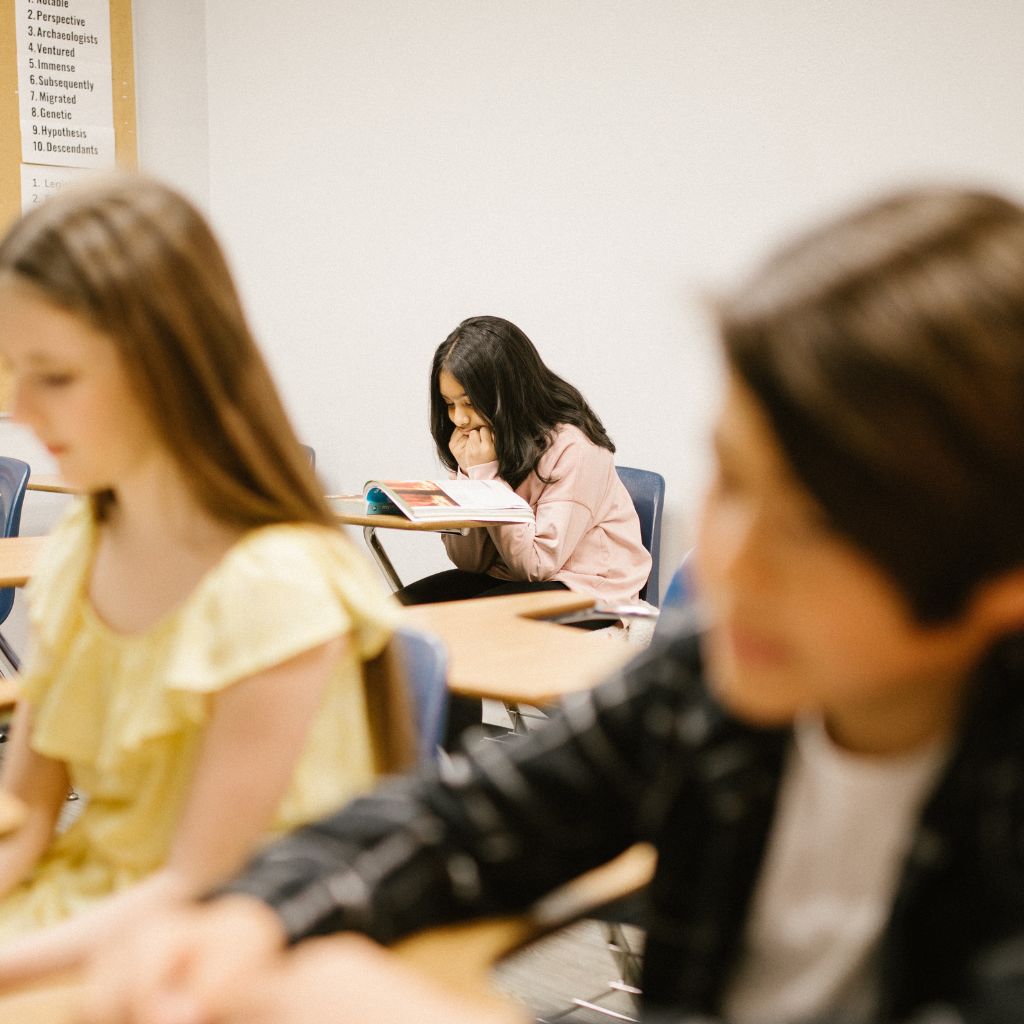
Children with a history of COVID-19 are at heightened risk for developing other mental illnesses later in life.
If your child has been diagnosed with COVID-19, it’s important to know that they are at heightened risk for developing other mental illnesses later in life. In fact, children who have a parent or parent figure with COVID-19 have an increased chance of developing another mental disorder themselves.
Furthermore, according to research conducted by the National Institute of Mental Health (NIMH), children who have been diagnosed with COVID-19 are more likely than their peers who don’t suffer from any kind of psychological disorder at all—or only suffer from mild ones—to develop another one later in life if they experience certain adverse childhood events (ACEs). These include:
● abuse or neglect;
● witnessing domestic violence; or
● living in poverty
These children need help coping with their diagnosis, and those around them should support them in this effort.
If you are a parent, grandparent, or caregiver of a young child with COVID-19, it is important that you help your child cope with the diagnosis.
The first thing to do is help them understand what it means to have COVID-19 and why they were given this diagnosis. The next step is helping them find ways of coping with their disorder so that they can learn how to manage their symptoms and live happy lives despite having this condition.
It’s also important for people around these children to not only understand what they’re going through but also offer support and encouragement as needed when trying new methods of self-care or therapy in order for them to not give up when things get tough.
Children with COVID-19 require assistance in coping with their diagnosis, and others around them should assist them in this endeavor. If you suspect a child may have been infected with COVID-19, consult the doctor or find a good counselor who specializes in helping people cope with psychological disorders.