
Babyproofing Your Home: Tips and Tricks
Babyproofing your home is not only important, but it can be fun as well! Having a baby in the house is an exciting time, and it’s inevitable that you’ll want to make sure they are safe.
From making sure there aren’t any sharp edges on furniture or other household items such as lampshades and tablecloths to keeping rugs out of reach of tiny hands (and feet), taking a few minutes before your bundle of joy arrives will help prevent injuries down the line.
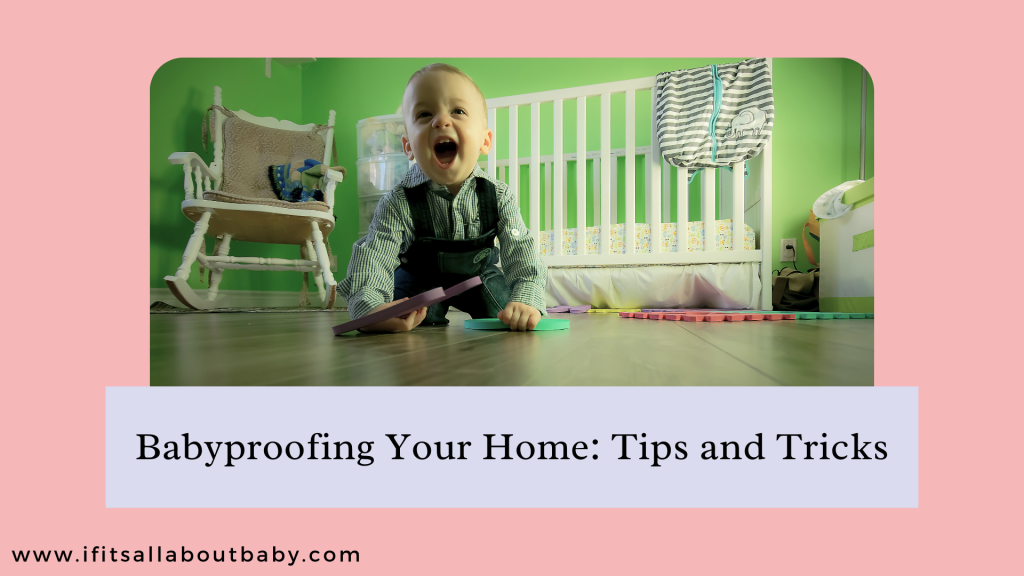
Babyproofing your house is easier than you think!
You can do it yourself, and it won’t cost much. If you’re not sure where to start, here are some tips:
- Make sure the stairs are clear and free of toys, shoes, etc.
- Use a gate or doorstopper to keep the baby from going up or down stairs.
- Babyproof your yard by keeping plants trimmed and removing any sharp objects that could hurt your child (like rocks) from the yard.
- Use a pool fence for safety around the pool.
Electrical Outlets
Remove electrical cords from the wall. If you do have young ones in the house, it’s important to ensure that they’re not able to pull on or chew on any electrical cords while they’re crawling around on the floor. You can either remove these items altogether or use childproofing devices like outlet covers and plug covers to keep them out of reach.
Use outlet plugs instead of regular plugs when possible. You can also use safety plugs with timers if possible (make sure your child cannot turn these off).
Kitchen Cabinets
- Keep all cleaning supplies, medications, and food items out of reach.
- Keep all kitchen appliances out of reach.
- Keep sharp objects away from your child’s reach and make sure they cannot be accessed by climbing on furniture or using a stool to get to them; knives and scissors are especially dangerous if they become lodged in the throat area and require medical attention.
- Avoid placing small electrical appliances such as coffee makers near where babies play because they can catch fire if tipped over onto a blanket or pillow while plugged in (which is easy for curious little ones).
Cribs, cradles, and bassinets.
Never place a crib near a window or other opening, as it can become a hazard for your baby.
- Do not use pillows, blankets, or soft bedding in the crib. These items are too dangerous to be used while sleeping, and they will only serve to suffocate your child if they roll over onto them during sleep.
- Don’t put anything in the crib that could be dangerous for your child, such as wires from toys that might strangle them if they grab hold of them (the same goes for cords). Also avoid using mobiles that have small pieces that could fall off and choke your baby if swallowed by accident, such as beads or bells attached to them; these can easily get stuck on teeth!
- Lastly, never leave children unattended, even when they are asleep, because accidents happen all too quickly, so always keep watch over what’s happening around them.
High Chairs and Booster Seats
Check the height of the high chair or booster seat. If it’s too low, you’ll have to bend down when feeding your baby, which can be uncomfortable and even painful.
Make sure that it is safe. The most important thing when buying a high chair or booster seat is that it meets all safety standards set by government agencies like the Consumer Product Safety Commission (CPSC).
This includes having an adjustable tray with no sharp edges, a safety strap for securing babies in place, and other features such as handgrips on each side of the seat for easy carrying around from room to room in case you need extra space while cooking dinner! You may also want something padded so that no one bumps into any hard surfaces while eating or playing around with toys nearby.
Remove rugs that are easy to trip on.
Tossing a rug in front of a door or on the floor near your baby’s crib can be dangerous if it’s not secured. If you have any rugs that could be tripped over, it’s best to get rid of them altogether and replace them with something safer, like wood floors (or even just plain old carpet).
Keep heavy furniture out of a baby’s reach.
- Keep furniture away from stairs and banisters.
- Keep furniture away from windows, especially if the window pane is made of glass or Plexiglas (a type of acrylic). A baby could break the glass, which can cause serious injuries if they fall through it.
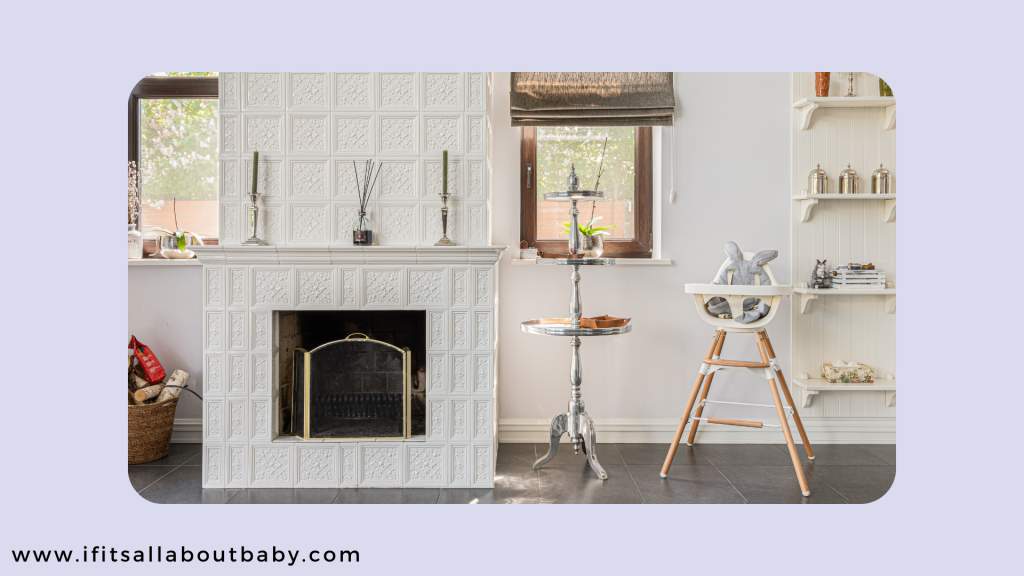
- Do not leave furniture near fireplaces or heaters that are in use; these items are hot enough to burn your child’s skin and cause severe burns or even death.
Secure outlets, cords, and electrical cords with safety tabs or keep them out of reach.
Safety plugs are not a replacement for safety tabs. They’re just a temporary solution, and they can be dangerous if you don’t use them correctly.
Safety tabs are safe, effective, and easy to install. Just use the adhesive backing to attach one end of your cord or cable to an outlet in your child’s reach (make sure it’s still accessible), then wrap the other end around itself several times until it’s secure enough not to come apart when tugged on by curious hands.
You can buy safety tabs at any hardware store or online retailer; they’re inexpensive and reusable, so you don’t have to worry about disposing of them after your baby grows up!
It is important to babyproof your home.
Babyproofing is important for your child’s safety, but it’s also important for your peace of mind. When you babyproof your home, you can relax and enjoy spending time with your little one without worrying about them getting into trouble. Babyproofing helps develop motor skills by giving children the opportunity to explore their surroundings, which will help them learn how things work in the world around them.
How to Promote Your Child’s Social Skills. Read here: https://ifitsallaboutbaby.com//how-to-promote-your-childs-social-skills/