
How to Promote Your Child’s Social Skills
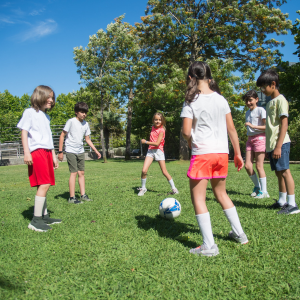
Are your kids on the shy side? The idea of being outgoing and confident at a young age can seem intimidating. You may have even worried about your own social skills when you were growing up!
However, as long as you encourage positive behavior and give them the tools they need to adjust their behavior, your children will eventually develop into socially competent adults.
Here are some tips for promoting healthy social skills in your child:
Make sure to encourage friendship.
Encourage your child to play with other kids. You can do this by getting them involved in activities where they will be around their peers, such as sports teams and clubs. If these aren’t available, try inviting friends over for a playdate or two. Your child may also enjoy joining social media groups that attract people of similar interests (like gaming or music).
Let them know that it’s okay if they want to spend time alone sometimes too! Socializing is hard work, so make sure they don’t feel bad about taking breaks from it every once in awhile.
Model the behavior yourself.
It’s important to remember that children are very observant. If you’re always friendly, they will be more likely to be friendly too. On the other hand, if your child sees you being mean or aggressive towards others, this behavior is much more likely to rub off on them as well.
When it comes down to it, modeling good social skills is the best way for parents and teachers alike to help young children develop their own social skills early on in life so that they can go on and make friends easily later in life when they need them most!
Encourage your child to empathize with others.
Children are more likely to be empathic if they see their parents being empathic. Empathy is the ability to understand and share the feelings of others, and it’s a key component of social skills and emotional intelligence.
You can help your child learn empathy by modeling positive behavior, such as expressing concern for someone else’s feelings or offering comfort when they’re upset. For example, “It looks like this new food isn’t working out for you; let me take it from your plate so you don’t have to eat something that upsets your stomach.”
Or try saying something like, “I know how much fun we had going on vacation together last summer, but I want Mommy (or Daddy) all week long now too! I wish school didn’t start again soon so we could keep having fun together all day long instead.”
Encourage your child to make friends and play with other kids, even if they’re shy or introverted.
The most important thing you can do is encourage your child to make friends and play with other kids. Even if they’re shy or introverted, their social skills will develop through interacting with other children.
Don’t force the issue; let your child take the lead at their own pace. If you try too hard, it could backfire by making them feel more self-conscious than ever before. As long as you keep in mind that there’s no such thing as “too much” socializing (within reason), then this part should be easy!
Don’t worry if your child seems like they are struggling—it doesn’t mean anything in particular about how well their life will turn out later on; many people go through periods where they aren’t comfortable around others for one reason or another during childhood and adolescence.
Take time to talk about his or her feelings.
Talking about feelings is important for all kids, but it’s especially important for children with autism. Talking about feelings helps your child learn how to identify and express his or her own emotions in a healthy way. It also teaches them how other people feel, which can help him or her better understand social situations and relationships.
By using concrete examples from your child’s daily life (or even yours), he will start learning how other people think and feel based on their actions rather than simply being told what they should do in certain situations.
Don’t force the issue of making friends.
The most important thing you can do is not force the issue of making friends, but rather let it happen naturally over time. Don’t force your child to make friends; let them make their own choices. Don’t force your child to play with other kids; let them play with other kids if they want to.
Use positive reinforcement.
Reinforcement that is positive may appear as basic as a smile or “good job!”
Use positive reinforcement when your child shows empathy toward others or tries new things socially. Reward good behavior by giving your child attention, praise, or a treat.
Never take away privileges for bad behavior or choices that aren’t in line with your values around social behavior. Instead, talk about alternatives and what might work better next time.
Focus on positive reinforcement. If you’re using a reward system to encourage good behavior, make sure it’s something that your child really wants (and isn’t just a pat on the back).
Don’t punish bad behavior by taking away something they like or care about; instead, focus on how they can avoid situations where they might get into trouble in the future by making different choices next time around and explaining why those choices are better than others.
All children need guidance and encouragement as they develop their social skills.
If you want your child to grow into a well-rounded adult, it’s important that they develop strong social skills.
They can help them make friends and learn how to get along with others. If your child has a problem with social skills, it’s important that you talk with him or her about how he or she feels about other people. You should also encourage them to try new things so that they will become more comfortable around different kinds of people.
10 Fun and Educational Activities for Kids at Home. Read here: https://ifitsallaboutbaby.com/2023/05/22/10-fun-and-educational-activities-for-kids-at-home/