
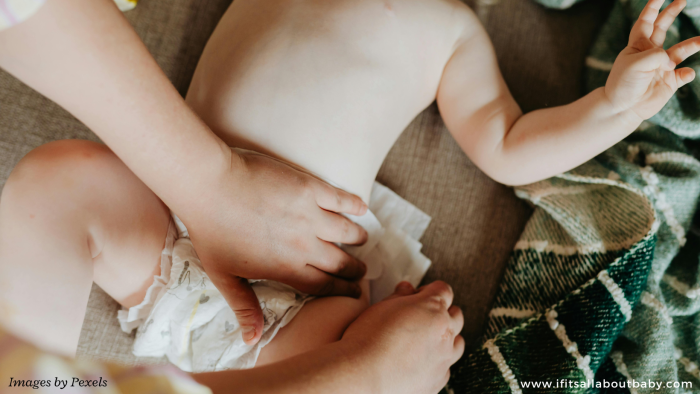
10 Diapering Tips and Options
I. Diapering Tips and Options
As parents, we understand the challenges of diapering and the importance of finding the right option for your little one. The right choice can not only improve your baby’s comfort but also prevent diaper rash, leaks, and other issues.
In this article, we’ll explore a range of different diapering choices, such as cloth diapers, biodegradable diapers, and disposable diapers. We’ll also provide tips on how to create a diapering routine and overcome common challenges and concerns.
II. Disposable Diapers
Advantages of using disposable diapers:
- Ease and Convenience: Disposable diapers are a game-changer for parents on the go. They are incredibly convenient, as they can be easily disposed of after use, saving you time and effort.
- Superior Absorbency: Top-quality disposable diapers are designed with advanced absorbent materials that quickly draw moisture away from your baby’s skin, helping to keep them dry and happy throughout the day and night.
- Leak Protection: Modern disposable diapers are built with leak guards and snug-fitting leg cuffs to provide extra protection against leaks and blowouts. This means fewer outfit changes and more peace of mind for you and your little one.
- Variety of Sizes and Styles: Disposable diapers come in a wide range of sizes and styles to ensure a comfortable fit for your growing baby. From newborn to toddler sizes, you can easily find the right diaper for your little one’s needs.
Tips for using disposable diapers effectively:
- Choosing the right size: It’s important to select the correct diaper size based on your baby’s weight and age. Diapers that are too small can be uncomfortable and restrict movement, while those that are too big may lead to leaks. Refer to the packaging or consult a sizing chart for guidance.
- Checking for leaks and blowouts: Regularly check your baby’s diaper for signs of leaks or blowouts. If you notice leaks around the leg openings or waistband, it might be time to move up to a larger size. Additionally, ensuring proper fastening and making sure the diaper is snug but not too tight can help prevent leaks.
- Proper disposal of used diapers: When it comes to disposing of used diapers, always follow your local waste management guidelines. Consider using odor-sealing bags or a dedicated diaper pail to contain any odors. Remember to seal the bag tightly before placing it in your regular trash bin or designated diaper disposal area.
III. Cloth Diapers
Advantages of using cloth diapers:
- Environmentally friendly: By opting for cloth diapers, you’re reducing waste and landfill impact while embracing a sustainable lifestyle.
- Gentle on baby’s skin: Cloth diapers are usually made from soft, breathable fabrics, keeping your baby’s delicate skin comfortable and rash-free.
- Cost-effective: Long-term savings are a major advantage of cloth diapering, as they can be reused multiple times, unlike disposable options.
Tips for using cloth diapers effectively:
- Washing and caring for cloth diapers: Develop a simple washing routine to keep your cloth diapers clean and fresh. Remember to use gentle detergents, avoid fabric softeners, and follow the manufacturer’s instructions for best results.
- Choosing the right type of cloth diaper: Explore different types of cloth diapers, such as prefolds, pocket diapers, or all-in-ones, to find the style that suits your needs and preferences. Experimenting with different options can help you discover what works best for both you and your baby.
- Dealing with leaks and stains: Leaks and stains can happen, but fear not! Proper fit and absorbency adjustments can help minimize leaks. When it comes to stains, sunning your cloth diapers or using natural stain-removing methods can do wonders.
IV. Biodegradable Diapers
Advantages of using biodegradable diapers:
- Eco-friendly: Biodegradable diapers are produced using environmentally friendly components that naturally decompose over time, limiting pollution and the load on landfills.
- Gentle on baby’s skin: These diapers are often hypoallergenic and free from harmful chemicals, making them a great choice for babies with sensitive skin.
- Breathable and absorbent: Biodegradable diapers provide excellent airflow, keeping your baby’s skin dry and reducing the chances of diaper rashes.
Tips for using biodegradable diapers effectively:
- Understanding the environmental impact: Educate yourself about the environmental impact of traditional diapers versus biodegradable ones. By understanding the positive change you’re making, you’ll feel even more empowered to continue using them.
- Choosing a Reputable Brand: Opt for biodegradable diapers from reputable brands that prioritize sustainability and transparency. Look for certifications like the “Certified Compostable” label to ensure you’re making a truly environmentally friendly choice.
- Proper disposal of biodegradable diapers: Dispose of biodegradable diapers correctly by following the guidelines provided by the manufacturer. Some brands offer composting options, while others may require you to separate the soiled components before disposal.
V. Hybrid Diapers
Advantages of using hybrid diapers:
- Versatility: Hybrid diapers offer the best of both worlds, as they allow you to choose between cloth and disposable inserts. This flexibility accommodates your preferences, lifestyle, and even travel plans.
- Eco-consciousness: By using cloth inserts whenever possible, you contribute to reducing waste and protecting the environment. The option to use disposable inserts for convenience allows for a seamless transition during busy periods.
- Cost-effective: Hybrid diapers provide a smart investment, giving you the option to reuse cloth inserts and save on long-term expenses while respecting your budget and priorities.
Tips for using hybrid diapers effectively:
- Understanding the different options available: Educate yourself on the variety of hybrid diaper styles and brands on the market. Consider whether you prefer snap-in, lay-in, or insert pocket systems, and choose what suits your family’s needs best.
- Benefits of using both cloth and disposable inserts: Embrace the flexibility of hybrid diapers by understanding the benefits of both cloth and disposable inserts. Cloth inserts are gentle on babies skin and eco-friendly, while disposable inserts provide convenience during travel or busy days.
- Proper disposal and care of hybrid diapers: When disposing of hybrid diapers, follow the manufacturer’s guidelines for separating and disposing of the inserts responsibly. Ensure proper care of your hybrid diapers by washing cloth inserts correctly and storing them properly between uses.

VI. Tips for Diapering on the Go
Disposable diaper pads:
Say goodbye to public changing stations that may not be clean or convenient by carrying disposable diaper pads. These handy pads provide a clean surface for your little bundle of joy during diaper changes.
Portable changing pads:
Portable changing pads are perfect for parents on the move. They offer the convenience of a clean, soft surface for your baby’s diaper changes, wherever you are.
Choosing compact diapers for travel:
When you’re traveling, space is a precious commodity. That’s why compact diapers are a game-changer!
VII. Diapering Tips for New Parents
Creating a Diapering Routine
Establishing a diapering routine can bring a sense of order and simplicity to an otherwise chaotic time. By creating a consistent schedule for diaper changes, you can provide your little one with a sense of predictability and comfort.
Start by noting the times when your baby tends to soil their diaper the most and planning your diaper changes around those patterns. A routine not only helps you stay organized, but it also ensures that your baby’s needs are met promptly, promoting their overall well-being.
Overcoming Common Challenges and Concerns
Diapering is not without its challenges, but rest assured, you are not alone in navigating them. Many new parents face common concerns such as diaper rashes, leaks, and finding the right diaper size. The key to overcoming these challenges is patience, understanding, and a willingness to learn.
Remember to change diapers frequently to prevent rashes and keep the diaper area clean and dry. Explore different diaper brands and sizes to find the one that best suits your baby’s needs. Being open to trying new approaches and seeking advice from trusted sources can make a significant difference in overcoming these obstacles.
Seeking Advice and Support from Experienced Parents
One valuable resource you have as a parent is the wisdom and experience of others who have walked this path before you. Don’t be afraid to reach out for advice and support from experienced parents. They can provide helpful insights, tips, and tricks that they’ve learned along the way.
Joining parenting communities, attending support groups, or connecting with friends and family members can offer a sense of camaraderie and guidance. Remember that you are not expected to have all the answers, and seeking support from others who have been through similar experiences can be empowering and comforting.

VIII. Diapering Tips for Nighttime
Choosing the Right Diaper for Overnight Use
Nighttime diapering can be a daunting task, especially if your little one is prone to leaks or discomfort. Choosing the right diaper for overnight use can provide a greater sense of security and comfort for both you and your baby.
Consider opting for a diaper that’s designed specifically for nighttime use. These diapers are often more absorbent and can withstand several hours of wear without leaking. Look for features such as reinforced leg cuffs, secure tabs, and adjustable sizing to ensure a snug and comfortable fit.
Adding Extra Absorbency or Boosters If Needed
In some cases, even the most absorbent diapers may not be enough to prevent leaks. If your baby exceeds the capacity of their diaper, consider adding extra absorbency or boosters. You can do this by inserting a cloth diaper or booster pad into the disposable diaper. Alternatively, you can try using overnight inserts or doublers, which are specially designed to add extra absorbency to your baby’s diaper.
Nighttime Diapering Techniques for Reducing Leaks
Reducing leaks can also be achieved through proper diapering techniques. Make sure the diaper fits snugly but not too tightly to avoid gaps and leaks. Try positioning the diaper higher up around the waist and making sure the leg cuffs are securely tucked in.
Additionally, avoid over-tightening the waistband or fastening the tabs too tightly, as this can cause discomfort and leaks. Finally, make sure to change your baby’s diaper just before bedtime and consider doing another diaper change in the middle of the night to ensure maximum dryness and comfort. With these nighttime diapering tips, you can provide your little one with a comfortable and worry-free night’s sleep.
IX. Diapering Tips for Sensitive Skin
Identifying and Addressing Diaper Rash
Seeing your little one deal with diaper rash can be distressing. Identifying and addressing diaper rash is key when it comes to caring for sensitive skin. Keep an eye out for redness, irritation, and discomfort in the diaper area. To address diaper rash, start by gently cleaning the area with warm water and mild, fragrance-free wipes.
Avoid scrubbing or using harsh soaps, as these can further irritate the skin. Applying a thick layer of diaper cream containing zinc oxide can create a protective barrier and soothe the rash. Remember, if the rash persists or worsens, it’s important to consult with your pediatrician for further guidance and treatment options.
Choosing Diapers Suitable for Sensitive Skin
When it comes to sensitive skin, choosing the right diapers is essential to preventing irritation and discomfort. Look for diapers made especially for skin that is sensitive. These diapers are often made with hypoallergenic materials, free of fragrances, lotions, and other potential irritants.
Opt for diapers that provide excellent breathability to keep your baby’s skin dry and comfortable. Take time to read labels and research different brands to find the best option that suits your little one’s needs. Remember, making this small switch can make a big difference in preventing diaper rash and maintaining healthy skin.
Incorporating Natural Remedies and Preventative Measures
In addition to choosing the right diapers, incorporating natural remedies and preventative measures can help support your baby’s sensitive skin. Consider using natural baby wipes that are alcohol-free and contain gentle, plant-based ingredients. Allow your baby’s skin to air dry before putting on a fresh diaper to promote healing and prevent moisture buildup.
To provide additional soothing and nourishment, consider using natural remedies such as coconut oil or calendula cream, which have anti-inflammatory and moisturizing properties. Also, aim to change diapers frequently to keep the diaper area clean, dry, and free from prolonged exposure to wetness. By combining these natural remedies and preventative measures, you can create an environment that nurtures and protects your baby’s sensitive skin.
X. Diapering Your Little One
When it comes to diapering your little one, it’s important to remember that there are no one-size-fits-all solutions. Given the individuality of each baby, what works for one may not be effective for another. Don’t be afraid to explore different diapering options and find what works best for you and your baby.
It can be a trial-and-error process, but remember that every step you take is a learning opportunity. Embrace the journey and trust your instincts as you discover the perfect diapering routine.
Above all, prioritize your baby’s comfort and dryness. A happy baby is a comfortable baby, and ensuring their little bottoms are dry is essential for their well-being. Whether you opt for cloth diapers or disposable ones, regular changing and proper hygiene practices go a long way toward keeping your baby happy and healthy.
As you navigate the world of diapering, remember that you have the power to make informed choices that work best for your family. Trust yourself and know that you’re doing an amazing job of providing the utmost care for your little one. Create a diapering routine that ensures both your baby’s comfort and your peace of mind. You’ve got this!
You might like this! https://ifitsallaboutbaby.com/babywearing-5-benefits-and-options/