
10 Essential Meal Planning Basics Every Parent Must Know
The challenging navigation throughout a day in a parent’s life includes not just attending work meetings, fetching kids from school, and managing house chores, but also ensuring a healthy, delicious meal is served on the familiar family dining table. What if we told you we could transform the oftentimes drudgery task of feeding your family into a seamless experience? Enter meal planning, a game-changer in the realm of nutritional intake and diet control.
Meal planning provides an indispensable variety of benefits for every family’s diet. From preventing sub-par fast-food dinners on busy nights to helping you steer clear of ’empty’ calories found in convenient, pre-packaged goodies, a thorough meal plan keeps your family’s health a prioritized endeavor. Moreover, it aids in maintaining a balanced nutritional intake, controls portion sizes, reduces food waste, and ends up being a friend to your wallet by saving on needless grocery expenditures.
As a parent, you are the nutritional gatekeeper, the decision-maker who has the power to significantly affect your family’s eating habits. You set the tone for consumption patterns and imprint lifelong food habits on your little ones. And it is right here that meal planning attains paramount importance. By investing time in planning meals, you wield the magic wand that introduces healthy eating into your household—deliciously wrapped in variety, taste, and convenience. Learn the ropes of meal planning with us in our blog today, titled “10 Essential Meal Planning Basics Every Parent Must Know.”
By the end, you’ll be a pro who knows how to chart out a meal plan that keeps the belly happy, taste buds satisfied, and health in check—easily and efficiently.
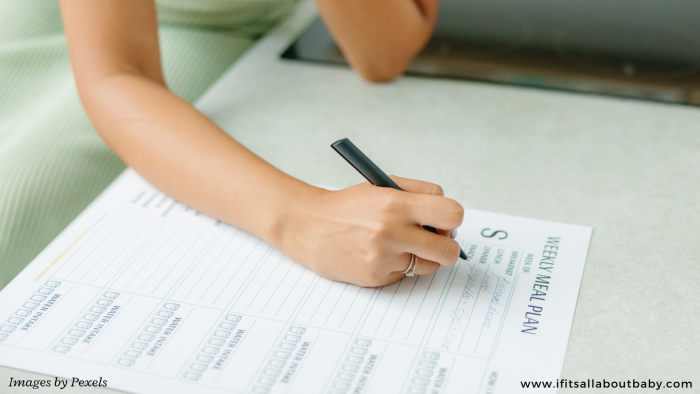
Tip 1: Establish a Family Meal Plan Calendar
A family meal plan calendar is an innovative approach that not only ensures well-balanced, nutritious meals for the family but also fosters unity and eliminates the stress of last-minute meal decision-making. It’s a simple system that saves time and effort while promoting healthy eating habits.
Establishing a regular meal plan is essential for multiple reasons. With the right meal plan, you can:
- Ensure a Balanced Diet: It helps you incorporate all essential nutrients into your family’s diets.
- Avoid Repetitive Meals: Brings variety to the meals, avoiding the same dishes repeatedly in the week.
- Save Time and Money: Planned meals require one-time grocery shopping and help you avoid buying unnecessary items, hence saving money and time.
- Reduce Stress: There’s no need to worry about ‘what to cook today’. Everything is pre-planned and organized.
- Encourage Healthy Habits: By planning, you can encourage better eating habits and improve overall family health.
Steps to Initiate a Meal Plan Calendar
- Collect Meal Ideas: Begin by getting all family members to contribute their favorite meal ideas.
- Analyze Nutritional Value: Study the nutritional content of the suggested meals and make sure they are balanced in terms of proteins, carbohydrates, fats, and other nutrients.
- Create a Calendar: Note down the meals on a physical calendar or a digital app that everyone in the family can access.
- Implement the Plan: Each week, make grocery lists based on the planned meals and stick to them while shopping.
- Review and Modify as Needed: Regularly check in with the family members to see if the meals are well-received. Adjust the plan as required.
Implementing and maintaining a family meal plan calendar requires commitment and cooperation, but over time, it will become an efficient routine that ensures everyone in the family enjoys a variety of scrumptious, nutritious meals.
Tip 2: Incorporate Nutritional Balance
Nutritional balance is a crucial part of any diet and a fundamental requirement for establishing good health habits and sustainable lifestyle choices. It involves consuming a variety of foods loaded with essential nutrients that the body needs for proper functioning.
To incorporate a nutritional balance:
- Follow the Plate Method: Fill half of your plate with fruits and vegetables, a quarter with lean protein, and a quarter with grains, preferably whole.
- Opt for Colorful Vegetables and Fruits: These provide various vitamins, minerals, and antioxidants.
- Include Quality Proteins: Make sure to include lean meats, poultry, fish, beans, or tofu in your meals.
- Prefer Whole Grains: Whole grains like brown rice, quinoa, and whole-grain bread or pasta are more nutrient-rich compared to their refined counterparts.
- Healthy Fats: Include sources of healthy fats such as avocados, nuts, seeds, and olive oil.
- Limit High-Sugar and High-Sodium Foods: Minimize the consumption of processed food, which often contains high amounts of salt, sugar, and unhealthy fats.
Incorporating nutritional balance into family meals isn’t complicated, but it does require mindfulness and planning. Maintain a varied diet by eating a mix of foods from all food groups in the right proportions to ensure optimum health and nutrition for your family.
Tip 3: Consider Food Preferences
Taking into account the individual food preferences of family members is essential to making sure everyone enjoys and benefits from the meals prepared at home. It helps make mealtime a pleasant experience, encourages participation, and establishes a healthy attitude towards food.
Tips to Include Everyone’s Favorite Foods in a Healthy Way
- Plan Together: Include family members in the meal planning process and request that they share their favorite dishes.
- Healthier Versions: Prepare favorite foods with healthier ingredients and cooking methods, such as baking or grilling instead of frying.
- Balanced Meals: Incorporate favorite foods into a meal, making sure other complementary dishes provide essential nutrients for a balanced diet.
- Introduce New Foods: Pair new or less popular foods with family members’ favorite dishes; it can encourage trying and discovering new flavors.
- Food Rotation: Rotate favorite dishes to cater to everyone’s tastes and avoid repetition in the meal plan.
Tip 4: Plan for Leftovers
Leftovers can be an excellent solution for reducing food waste and maximizing the use of prepared food. With some creativity and careful planning, leftovers can be transformed into entirely new, appetizing meals.
How to Utilize Leftovers Efficiently
- Store Properly: Ensure leftovers are stored in airtight containers and refrigerated within two hours of cooking to maintain freshness.
- Follow FIFO (First In, First Out): Try to eat older leftovers first. It ensures food does not spoil and reduces waste.
- Purposefully Cook More: If a meal reheats well, consider intentionally making extra to have leftovers for subsequent meals or lunches.
- Plan a Leftover Night: Designate one night a week as a leftover night where everyone can choose their leftover meal of choice.
- Freeze Leftovers: If you know you won’t eat leftovers in time, freeze them. They can serve as a quick meal when you don’t have time to cook.
Recipe Suggestions for Reusing Leftovers
- Pasta Salad: Toss leftover pasta with veggies, protein, and a little dressing for a refreshing pasta salad lunch the next day.
- Frittatas or Omelettes: Leftover sautéd vegetables can be added to breakfast frittatas or omelettes.
- Stir-fry: Combine leftover protein with some vegetables in a pan. Add soy sauce or teriyaki sauce for a quick stir-fry.
- Soups: Leftover grains (like rice or quinoa) or vegetables can be easily added to soups.
- Quesadillas or Sandwiches: Leftover chicken or roast can be used as filling for a quick quesadilla or sandwich.
With careful planning and some creativity, leftovers don’t have to be boring. In fact, they can be an economical, time-saving, and environmentally friendly aspect of your family meal plan.
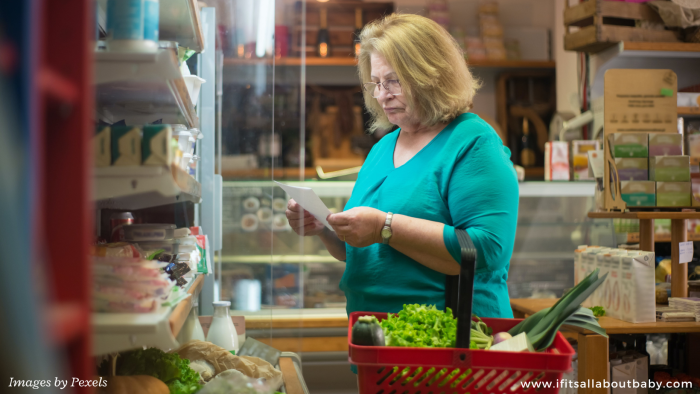
Tip 5: Make a Detailed Shopping List
Creating a detailed shopping list is a crucial phase of meal planning. It serves as an organization tool that helps you stay focused, ensuring you buy all the necessary items for your meals while reducing impulsive purchases.
Steps to Create and Streamline the Shopping List Process
- Refer to the Meal Plan: Use your meal plan as a guide to make a list of all necessary ingredients.
- Categorize by Food Type or Store Area: Group items by produce, dairy, meats, pantry items, etc. It’s also helpful to order your list based on your grocery store’s layout.
- Note Quantities: Mention the quantity or amount needed for each ingredient.
- Check Pantry First: Before you go shopping, check what you already have at home to avoid buying duplicate items.
- Use Apps: There are several grocery list apps available that can help you manage, share, and even automatically categorize your shopping list.
- Keep it Accessible: Keep the list in a place where everyone can add items they need or want.
Tip 6: Prep Meals Ahead of Time
Meal-prepping or preparing meals ahead of time can be a significant time-saver and stress-reliever. It can also help to maintain a balanced diet even during busy weeks and reduce the reliance on less-healthy last-minute dining options.
Suggestions for Easy Meals for Prepping and Freezing
- Casseroles: Choose casseroles (e.g., shepherd’s pie, lasagna) that freeze and reheat well; divide them into individual portions before freezing if desired.
- Slow-Cooker Meals: Pre-assemble slow-cooker meals in freezer bags (e.g., chili, pot roast, or curry) and freeze until needed. Thaw overnight and cook in a slow cooker when ready to eat.
- Marinated Meat: Prepare meat with marinades and freeze in a zip-lock bag. Thaw and cook as desired by grilling, baking, or frying.
- Soups and Stews: Make large batches of soup or stew and freeze in individual or family-sized containers; simply reheat and serve when needed.
- Grain-Based Dishes: Freeze cooked grains like rice, quinoa, or pasta mixed with pre-cooked protein and vegetables for quick, easy meals.
By incorporating this practice, you can optimize your meal planning strategy and enjoy a more efficient and enjoyable dining experience.
Tip 7: Portion Control
Maintaining a balanced diet and controlling weight require careful portion control. It involves understanding the right serving sizes of different foods and consciously regulating the amount you consume in one sitting.
Strategies for Managing Portion Sizes
- Use Smaller Plates: Smaller plates can create the psychological impression of more food and naturally help you to eat less.
- Half-Plate Rule: Aim to fill half your plate with fruits and vegetables, a quarter with lean protein, and another quarter with whole grains.
- Control Servings: Avoid eating from the package. Instead, serve your meal on a plate or bowl to monitor your intake better.
- Slow Down: Eat slowly and savor your food. It takes time for your brain to get the message that you’re full.
- Hydrate: Drink water before meals to help control hunger and portion sizes.
- Visualize: Learn to associate typical portions with visual cues (e.g., an ounce of cheese is about the size of a matchbook).
Ultimately, portion control is more about balance than restriction. It aims to develop a healthier relationship with food that encourages both enjoyment and nutrition.
Tip 8: Keep it Simple and Repeat Meals
Meal planning does not necessarily mean creating an entirely new meal every day. Keeping it simple and repeating meals can often be more practical, less time-consuming, and equally satisfying.
Ideas to Keep Meals Simple Yet Exciting
- Tweak the Classics: Keep your favorite meals on rotation, but add small twists like a new spice or a different vegetable for novel flavors.
- Focus on Seasonal Produce: The changing seasons bring new produce. Incorporating seasonal fruits or vegetables can inject variety into repeated meals.
- Theme Days: Consider designating certain days for particular meals (e.g., Taco Tuesday, Stir-Fry Saturday) to add regular variety.
- Dress it Up: Enhance simple dishes with fresh herbs, sauces, or toppings to add extra flavor and visual appeal.
- Play with Presentation: Sometimes, presenting the same meal in a different way (e.g., using new dinnerware or a creative arrangement on the plate) can make repeated meals exciting.
Embracing simplicity and repetition in your meal planning does not mean compromising on enjoyment or satisfaction. With a few smart strategies, you can prepare straightforward, repeated meals that remain diverse, appealing, and satisfying.
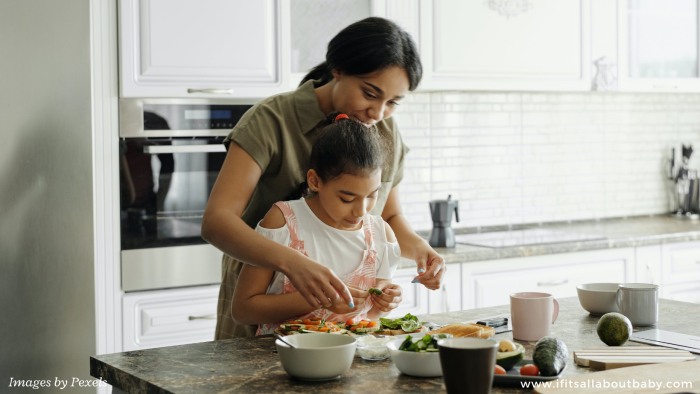
Tip 9: Involve Family in Meal Prep
Engaging the entire family in meal planning and preparation not only enhances the enjoyment and appreciation of food but also helps develop essential life skills and foster strong relationships.
Ways to Engage Family Members in the Meal Planning Process
- Idea Contributions: Encourage everyone to suggest meal ideas for weekly planning.
- Grocery Shopping: Involve family members in grocery shopping to familiarize them with various foods and their preparation requirements.
- Age-Appropriate Tasks: Delegate tasks according to abilities, such as washing vegetables, setting the table, or packing lunches.
- Cooking Together: Set aside time for family cooking sessions where each person contributes to the creation of the meal.
- Theme Nights: Designate specific days for different themes (e.g., make your own pizza night, international cuisine night) that family members can participate in creating.
- Feedback and Adjustments: Foster an environment where family members can offer opinions on meals and discuss improvements, reinforcing the benefit of teamwork in meal planning.
Tip 10: Adaptability
No matter how well you plan, life can often be unpredictable, so it’s essential to understand and value adaptability in your meal planning.
The Necessity of Flexibility in Meal Plans
- Unexpected Events: Last-minute changes, sudden guests, or unpredictable schedules require flexibility and adaptability in meal plans.
- Avoid Stress: Rigidity in sticking to a plan might lead to unnecessary stress. On the other hand, flexibility offers ease and reduces pressure.
- Food Availability: Sometimes, specific ingredients might not be available or go bad prematurely. Flexibility allows you to work well with what you have.
- Changing Preferences: Family members’ food preferences might change over time or even within a week; being able to adapt your meal plan to these changes can help satisfy everyone.
Tips to Manipulate Meal Plans When Unexpected Situations Arise
- Have a Backup Plan: Always keep a few easy and quick-to-make recipes in your repertoire for days when things go sideways.
- Invest in a Slow Cooker: A slow cooker allows you to conveniently prepare a meal throughout the day, so it’s ready to serve when you’re ready to eat.
- Freezer-Friendly Meals: Plan some meals that can be frozen and used on days when you aren’t able to cook as planned.
- Utilize Leftovers: Be creative with leftovers. They can often be transformed into a completely new meal.
- Stock Pantry Staples: A well-stocked pantry can be a lifesaver. Staples like pasta, canned goods, or rice can be turned into a variety of meals.
Adaptability is a key aspect of successful meal planning. Being able to modify your meal plan according to changes reduces stress, saves time, and can even lead to discovering new and enjoyable meal options.
Conclusion
Meal planning is undeniably a great asset for busy parents striving for healthier and more organized family meal times. The art of planning meals ahead of time allows for better nutritional control, eases the stress of last-minute cooking, and, most importantly, can turn meal preparation from a chore into a rich and enjoyable family bonding exercise.
The ten essential meal planning basics we’ve explored, ranging from portion control, keeping things simple, involving family members, and maintaining adaptability, are designed not just to streamline the process but to enhance the overall approach towards nutrition and eating as a family.
Remember that meal planning isn’t just about putting food on the table; it’s about nurturing a vibrant, shared family space that fosters a progressive relationship with food and each other. It may take a little time to get into the rhythm of planning, but the results will far outweigh any initial teething issues.
We encourage you to see meal planning as more of a shared adventure than a tedious task. Involve your children in various aspects of meal planning, make cooking together a family routine, and don’t be afraid to be creative with your menus. Your kitchen can be an incredible playground of flavors where wonderful memories are made.
Meal planning is far more than just a way to organize meals. It’s a lifestyle strategy that has countless benefits for your health, your wallet, and your valuable family time. So why wait? Immerse yourself in the wonderful world of meal planning and truly savor the beautiful delicacy that is family life!
10 Diapering Tips and Options. Read Here: https://ifitsallaboutbaby.com/10-diapering-tips-and-options/
Follow us on Instagram! http://www.instagram.com/ifitsallaboutbaby/
Like us on Facebook! http://www.facebook.com/people/If-its-all-about-baby/100054491499210/
Follow us on Pinterest! http://www.pinterest.com/ifitsallaboutbaby/