
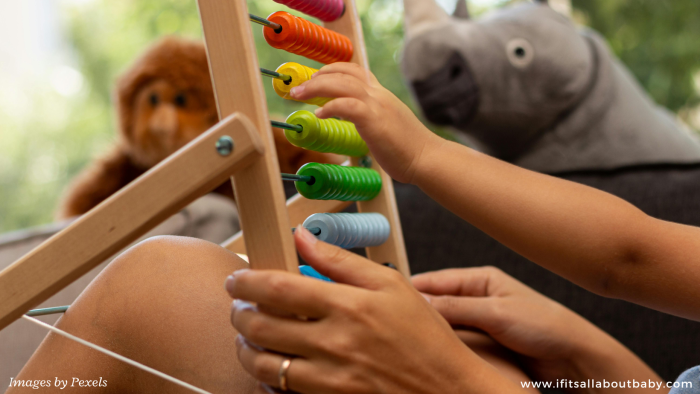
10 Must-Have Educational Toys for Toddlers’ Brain Growth
As the tiny steps of toddlers trace the path of newfound mobility, their brilliant little minds are primed for the wonders of growth and learning. The early years are more than just a time of physical growth; they are a crucial period for brain development.
Educational toys, specifically designed to stimulate cognitive abilities and motor skills, serve as the cogs and wheels in the fascinating machinery of a child’s developing brain. They are not simply tools for play but keys to unlocking potential, fostering curiosity, and shaping the foundational architecture of intellect and emotional understanding.
The Impact of Educational Toys on Toddlers’ Brain Growth
Educational toys are more than just playthings; they’re catalysts for growth during the pivotal toddler years. Here’s how they make a difference:
- Cognitive Skills: Through puzzles, games, and blocks, toddlers unconsciously dive into the world of problem-solving and critical thinking. These toys lay the groundwork for mathematical and linguistic skills by teaching cause and effect, sequencing, and categorization, igniting a child’s love for learning in the process.
- Motor Development: Toys that encourage physical action, be it stacking, sorting, or threading, refine both fine and gross motor skills. This not only aids in their physical agility but also supports independence in daily activities such as eating and dressing.
- Creativity and Imagination: With role-playing toys and construction sets, toddlers are free to explore narratives and scenarios of their own making. This not only entertains but also strengthens their ability to think creatively, solve problems innovatively, and understand the world from various perspectives.
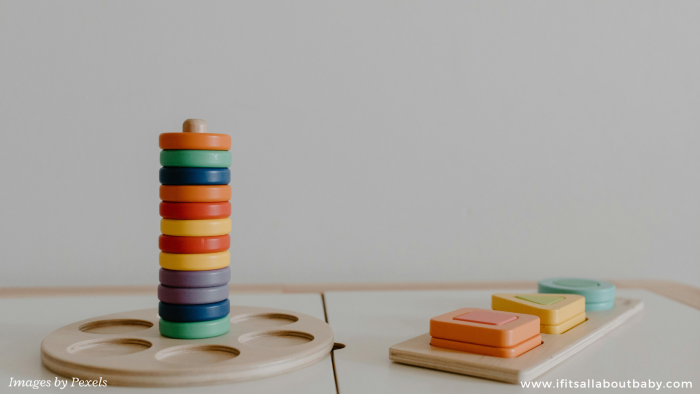
The Top 10 Educational Toys for Toddlers’ Brain Growth
I. Building Blocks
Quick Overview:
A simple yet versatile set of variously shaped and colored blocks. Durable and easy to grip, these blocks inspire endless configurations.
Brain Boost:
Blocks offer more than fun; they’re a brain-building powerhouse. They introduce toddlers to crucial concepts like shape recognition, spatial understanding, and problem-solving. Manipulating these blocks enhances fine motor skills and hand-eye coordination. Creatively, they’re a blank canvas for imagination, encouraging innovative thinking and design skills from an early age.
Incorporating building blocks into playtime not only enriches learning but also lays a solid foundation for cognitive and physical development.
II. Puzzle Maps
Quick Overview:
Puzzle maps are jigsaw puzzles designed in the shape of world maps, continents, countries, or states. These puzzles often include pieces shaped like regions or landmarks and sometimes feature educational details such as capital cities or flags.
Brain Boosts:
- Geographical Knowledge: Assembling a map puzzle helps children learn about geography, recognize country shapes, and understand the concepts of scale and distance.
- Memory and Cognitive Skills: Remembering which piece goes where enhances spatial awareness and memory retention, while the act of puzzle-solving boosts logical thinking and pattern recognition.
Puzzle maps are a playful geography lesson that sharpens the mind and offers a hands-on approach to learning about our world.
III. Sensory Bins
Quick Overview:
Sensory bins are containers filled with materials like rice, beans, or sand and various hidden items for toddlers to find. They often come with tools for scooping, digging, and exploring the contents.
Brain Boosts:
- Sensory Development: Engaging multiple senses, these bins enhance sensory processing skills, crucial for cognitive growth.
- Fine Motor Skills: The use of tools and fingers to navigate and manipulate items strengthens hand-eye coordination and dexterity.
Sensory bins are a treasure trove of discovery, offering hands-on learning that’s both exciting and educational.
IV. Alphabet Puzzles
Quick Overview:
Alphabet puzzles consist of letters that fit into a corresponding space, often themed or illustrated to add a visual stimulus for each letter.
Brain Boosts:
- Language Skills: Matching letters with their shapes promotes early reading skills, including phonics and vocabulary development.
- Problem-Solving: Figuring out which letter fits where encourages logical thinking and persistence.
Alphabet puzzles lay the foundational stones for literacy in a fun, engaging way, making them a valuable educational tool.
V. Number Counters
Quick Overview:
Number counters are sets of colorful, often themed objects used to teach counting, sorting, and basic arithmetic. These can range from simple, numbered blocks to shaped items representing different quantities.
Brain Boosts:
- Math Skills: They introduce basic concepts of numbers, counting, and simple math operations, setting the stage for numerical literacy.
- Cognitive Development: Sorting and organizing these counters into sequences or categories fosters critical thinking and pattern recognition.
Number counters make math tangible and fun, transforming abstract concepts into concrete learning experiences.
VI. Storybooks with Interactive Elements
Quick Overview:
Interactive storybooks feature pop-ups, textures, sounds, or pull-tabs, inviting toddlers to physically engage with the storytelling process.
Brain Boosts:
- Language Acquisition: Engaging with the text and interactive features promotes vocabulary expansion and comprehension skills.
- Sensory Stimulation: The varied tactile and visual elements stimulate sensory development, enhancing memory and attention span.
Interactive storybooks turn reading into an adventure, laying down the early love for storytelling and reading.
VII. Shape Sorters
Quick Overview:
Shape sorters are toys that require children to match blocks of different shapes with the corresponding openings in a container. They come in various themes and complexities, from simple geometric shapes to more intricate designs.
Brain Boosts:
- Spatial Awareness: Manipulating the shapes to fit them in the correct slots enhances a child’s understanding of space and shape.
- Cognitive Skills: This toy also teaches problem-solving and logical thinking as toddlers figure out where each shape belongs.
Shape sorters are a fun puzzle that educates, assisting in the development of vital cognitive and motor skills.
VIII. Musical Instruments
Quick Overview:
Child-sized musical instruments, like drums, xylophones, or maracas, are designed for small hands to make music. These toys often come in sets, allowing children to explore different sounds and rhythms.
Brain Boosts:
- Auditory Processing: Creating music helps with the development of listening and sound discrimination skills.
- Creative Expression: Engaging with musical instruments fosters creativity and can boost emotional intelligence as children express themselves through rhythm and melody.
Musical instruments not only provide fun but also cultivate a rich sensory environment for cognitive and emotional growth.
IX. Art Supplies
Quick Overview:
Basic art supplies for toddlers can include large, easy-to-grip crayons, chunky paintbrushes, washable paints, and oversized construction paper. These allow toddlers to create and explore freely.
Brain Boosts:
- Fine Motor Skills: Drawing, painting, and other crafts can improve hand-eye coordination and agility.
- Creativity and Self-Expression: Creating art encourages imaginative thinking and allows toddlers to express their thoughts and feelings visually.
Art supplies don’t just keep toddlers busy; they provide a canvas for creativity and can have a lasting impact on their cognitive and emotional development.
X. Play Dough Set
Quick Overview:
Play dough sets typically include malleable dough in various colors and tools for shaping, cutting, and molding. This simple, tactile toy has been a childhood staple for generations.
Brain Boosts:
- Fine Motor Skills: Manipulating dough strengthens hand muscles and enhances dexterity.
- Creativity and Imagination: Constructing shapes and scenes with dough encourages creative thinking and imaginative play.
Play dough sets offer endless possibilities for creativity while fortifying fine motor skills, making them a fun and educational addition to the playroom.
Considerations When Choosing Educational Toys
Selecting the perfect educational toy involves a careful blend of fun and learning, but keeping a few key considerations in mind can simplify the decision:
Age Appropriateness: Choose toys that match the child’s developmental skills and abilities to offer the right level of challenge. For example, while toddlers might benefit from simple puzzle maps to kickstart a curiosity in geography, older kids might enjoy more complex puzzles that challenge their spatial reasoning.
Child’s Interests and Developmental Stage: Pick toys that resonate with the child’s current interests and developmental needs. Whether it’s developing fine motor skills with a play dough set or expressing creativity through art supplies, a toy that aligns with what a child loves is more likely to engage and educate effectively.
Safety Considerations: Safety is non-negotiable. Ensure toys are made of non-toxic materials, have no small parts or sharp edges, and are durable and easy to clean. This ensures the educational experience is both safe and hygienic.
By focusing on the child’s age, interests, and the safety of the toy, you can choose an educational toy that’s not only entertaining but also enriching and safe.
Conclusion
The role of educational toys in a toddler’s brain development cannot be overstated. From enhancing fine motor skills and sensory exploration with play dough sets and art supplies to fostering creativity, problem-solving, and a love for learning through interactive storybooks and building blocks, each toy discussed offers a unique pathway to cognitive growth and developmental milestones.
For parents, investing in the right educational toys is akin to planting seeds of knowledge that will blossom throughout their child’s life. It’s an investment not just in their entertainment but in their future. By choosing toys that align with their child’s age, interests, and safety standards, parents can provide an environment that nurtures curiosity, enhances learning, and promotes healthy, holistic brain development.
Encourage your little ones to explore, create, and learn through play. The educational toys we’ve highlighted are more than mere playthings; they’re gateways to a world of possibilities, laying the foundation for a bright, knowledgeable future. Let’s give our toddlers the best start in life by choosing toys that challenge, inspire, and grow with them.
Breastfeeding vs. Formula Feeding: The 5 Pros and Cons. Read Here: https://ifitsallaboutbaby.com/breastfeeding-vs-formula-feeding-the-5-pros-and-cons/
Follow us on Instagram! http://www.instagram.com/ifitsallaboutbaby/
Like us on Facebook! http://www.facebook.com/people/If-its-all-about-baby/100054491499210/
Follow us on Pinterest! http://www.pinterest.com/ifitsallaboutbaby/