
10 Reasons for Introducing Solid Foods to Your Baby

Introducing your baby to solid foods is one of the most exciting milestones in their growing development. You do have control over what you feed your baby when they are young, and it does have an impact as they grow older. Here are 10 reasons why you should introduce solid foods to your babies!
1: Babies are ready for solid foods at 6 months old.
The American Academy of Pediatrics (AAP) recommends that babies be introduced to solid foods at about 6 months of age. If you are breastfeeding, wait until your baby is at least 6 months old before introducing solid foods into their diet.
The first six months of life are crucial for your baby’s development. It is the time when your baby learns to eat, sleep, and gain weight. Your baby also needs iron-rich foods to meet their growing nutritional needs. Introducing solids at this stage will help you meet all these needs efficiently.
2: Providing Energy for Growth
Solid foods provide a valuable source of energy for your baby’s growth. Babies need to eat more than just breast milk because they are growing so much faster than we were as adults!
Babies need energy from different sources to grow and develop well. Solid foods provide this energy in the form of carbohydrates, fats, proteins, and minerals such as iron, zinc, and calcium. In addition, they also contain vitamins A, C, and D that help protect against infections and diseases such as diarrhea or pneumonia.
3: Solid foods are good for your baby’s digestion system.
The digestive system of an infant is not yet fully matured at birth; therefore, breast milk alone cannot provide enough nutrients needed by your baby’s body. However, starting solids early helps develop this organ so that it can take on more complex foods later on without any problems.
4: More iron is needed for the rapid growth of your baby.
Your baby needs more iron than any other nutrient. The rapid growth of his body requires large amounts of iron to make hemoglobin, the substance in red blood cells that carries oxygen throughout his body. Babies born prematurely often have lower levels of hemoglobin because they lack the extra time in utero to develop their blood supply.
5: Keeps Baby Full for a Longer Time
Introducing solids can help satisfy your baby’s hunger and keep him full longer between feedings. This means fewer feedings at night, which can help improve their sleep! It also helps you avoid overfeeding your infant, which can lead to obesity later in life.

6: Enhancing Your Baby’s Nutrient Intake
Iron is not the only nutrient babies need from solid foods. Solids also provide them with calcium and vitamin D, both essential for bone development and health. Zinc also promotes immune system functioning, as do B vitamins, which help convert food into energy. Each time you introduce a new food into your baby’s diet, it will provide him with additional nutrients not found in breast milk or formula alone.
7: Helps in Teething and Jaw Development
Teething is one of the most uncomfortable experiences a baby can go through, and it usually begins around 4 months of age. Introducing solid foods can help ease the discomfort of teething by providing a source of nutrition that isn’t breast milk or formula.
The process of chewing also helps develop jaw muscles, which will be useful later when it comes time for teeth! Chewing helps stimulate saliva production, which helps break down food before it enters the stomach.
8: Helps in the Development of Taste Preferences
One reason babies begin eating solid foods at 6 months is because they are ready to start tasting different flavors, textures, and temperatures.
By beginning to feed your baby solids at this age, you can expose him or her to new flavors and textures that may not have been previously introduced through breast milk or formula alone. This will help them develop their taste preferences later in life when it comes time for mealtimes with family and friends!
15 Must-Try Foods for Picky Eaters: https://ifitsallaboutbaby.com/15-must-try-foods-for-picky-eaters/
9: Exposes the Baby to New Flavors and Foods
Introducing solids early will expose your baby to new flavors and textures, which will help him develop an interest in trying new foods as he grows older. Babies have a natural curiosity about their surroundings and will explore everything that comes their way.
You can promote this curiosity by offering your baby different types of tastes when you introduce solid foods. For example, try offering your baby mashed bananas or sweet potatoes. This will expose them to new flavors and help develop their taste preferences.
10: You can eat together as a family at this stage.
Introducing solid foods to your baby creates an excellent opportunity to improve family bonding over meals. It also helps your baby learn about food and eating habits.
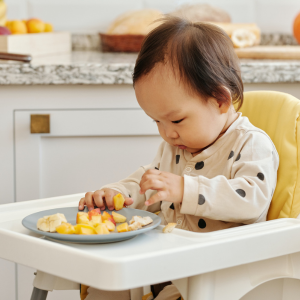
We hope you feel equipped with valuable information and insights to guide you along this exciting journey of introducing solid foods to your little one. Remember, this is just the beginning of a wonderful adventure in nourishing your baby’s growth and development!
As you embark on this new chapter with your baby, be patient and flexible. It may take some time for your little one to adjust to solid foods, and there may be days when they are more interested than others. Embrace the mess and enjoy the precious moments spent together during mealtimes.
We’re here every step of the way, providing support and information to help you make informed decisions for your baby’s wellness. Happy feeding!