
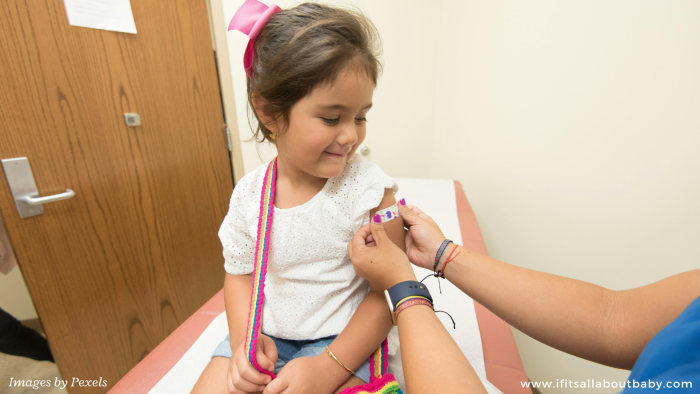
3 Key Vaccinations Your Baby Needs in the First Year
Vaccinations are crucial for protecting babies from serious diseases. During the first year, specific vaccines are recommended to safeguard their developing immune systems against potentially harmful infections.
This article will focus on three key vaccinations: the DTaP vaccine, which protects against diphtheria, tetanus, and whooping cough; the Hib vaccine, which guards against Haemophilus influenzae type b; and the MMR vaccine, which defends against measles, mumps, and rubella. Each of these vaccines plays a critical role in ensuring the health and safety of your baby.
1. DTaP Vaccine (Diphtheria, Tetanus, and Pertussis)
The DTaP vaccine is designed to protect infants from three serious diseases: diphtheria, tetanus, and pertussis (whooping cough).
Diphtheria is a bacterial infection that can cause breathing difficulties, heart failure, and paralysis. Tetanus, often referred to as lockjaw, leads to muscle stiffness and spasms, potentially affecting the ability to breathe. Pertussis is highly contagious and causes severe coughing fits that can be life-threatening, especially in infants.
During the first year, the vaccination schedule for DTaP includes multiple doses to ensure adequate protection. The recommended timing for these doses is at 2 months, 4 months, and 6 months of age. These vaccinations are essential for building the infant’s immunity to these diseases, each of which poses significant health risks.
2. Hib Vaccine (Haemophilus Influenzae Type b)
Infections brought on by Haemophilus influenzae type b are prevented by the Hib vaccination. This bacterium can cause a range of severe illnesses, including meningitis, pneumonia, and epiglottitis, which can lead to life-threatening complications in infants and young children.
Typically, healthcare providers administer the Hib vaccine to infants at 2 months, 4 months, and 6 months of age during the first year. This method ensures protection for infants during a critical time in their immune system’s development.
3. MMR Vaccine (Measles, Mumps, and Rubella)
The MMR vaccine guards against measles, mumps, and rubella, which are highly infectious diseases that can lead to severe health complications. The MMR vaccine’s role is critical in preventing outbreaks and ensuring individual and public health.
The recommended schedule for the MMR vaccine within the first year of a child’s life is to administer the first dose at 12 to 15 months of age. This early vaccination provides protection against these diseases during a vulnerable period of a child’s health development.
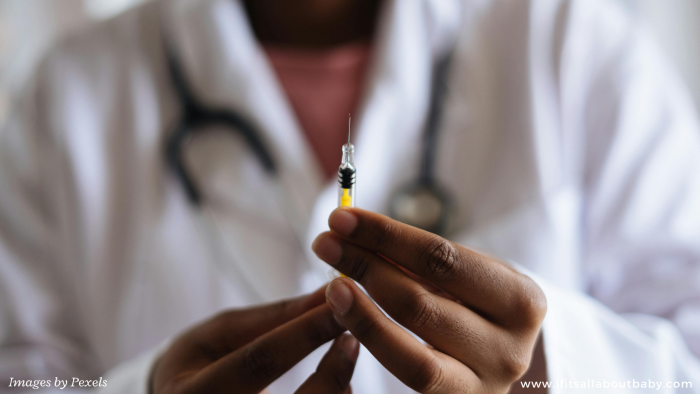
Understanding Combination Vaccines
Combination vaccines are formulations that include protection against multiple diseases in a single injection. This approach effectively reduces the number of shots a baby must receive. By combining vaccines, medical providers can administer fewer injections during a single visit, simplifying the vaccination process and improving adherence to vaccination schedules. This reduction in injections not only enhances patient comfort but also helps in maintaining high vaccination rates.
The Role of Pediatricians
Pediatricians play a critical role in administering vaccines to children. They provide guidance on the appropriate vaccines for different ages, ensuring that vaccinations occur at the correct times according to established schedules. Pediatricians are responsible for administering these vaccines safely and monitoring for any adverse reactions, thus playing a key role in both individual child health and public health prevention strategies.
Conclusion
To sum up, the three key vaccinations for DTaP, Hib, and MMR are vital for your baby’s health during the first year, providing protection against numerous serious diseases.
In conclusion, the three key vaccinations for DTaP, Hib, and MMR are vital for your baby’s health during the first year, providing protection against numerous serious diseases. It is essential to follow the recommended schedule for these vaccines to ensure effective immunity. Parents and guardians should consult healthcare providers to obtain a personalized vaccination schedule for their baby. This ensures that all necessary vaccinations are received at the appropriate times.
4 Tips for Navigating the Challenges of Single Parenting. Read Here: https://ifitsallaboutbaby.com/4-tips-for-navigating-the-challenges-of-single-parenting/
Follow us on Instagram! http://www.instagram.com/ifitsallaboutbaby/
Like us on Facebook! http://www.facebook.com/people/If-its-all-about-baby/100054491499210/
Follow us on Pinterest! http://www.pinterest.com/ifitsallaboutbaby/