

3 Stages of Emotional Development in Childhood to Watch For
Here, your presence melds with our commitment to nurture young minds generously, compassionately, and empoweringly.
Let’s delve into the essential topic of emotional development in children and illuminate the transformative journey consisting of three stages. We believe that understanding this progression not only gives you wisdom to better comprehend your children but also gifts you with the power to support their holistic growth.
By educating yourself about these stages, you step into a more enlightened and empowering role as nurturers. You are not only enhancing your parental experience but also sculpting healthy emotional foundations for our children.
Hold our hands as we take on this enlightening journey together, unraveling the stages of emotional development in childhood. You’re not merely a spectator; you’re an active, empowering force in your child’s journey.
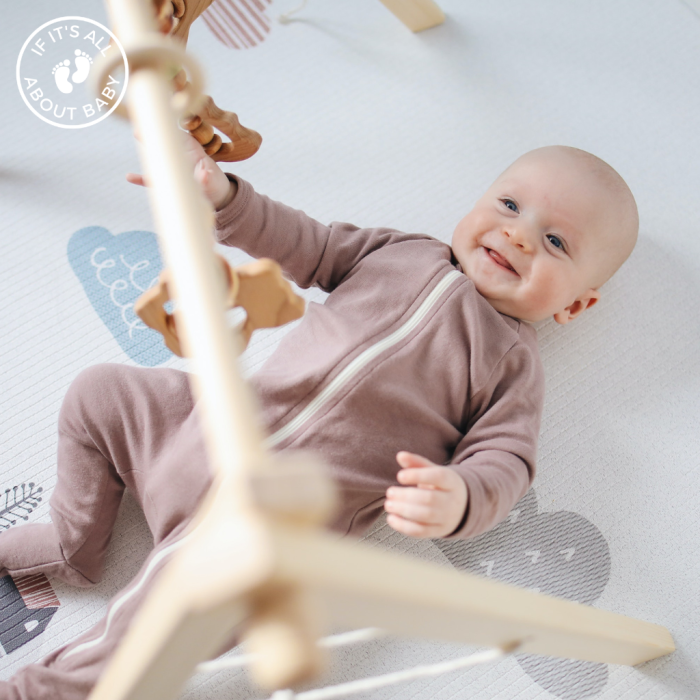
Stage One: Infancy and Early Childhood (0–2 years)
This critical stage is when your little ones begin to experience and express a colorful range of basic emotions. In navigating the formative years, let’s unify our expert emotional growth strategies and your instinctive child’s understanding.
Understanding the Display of Emotions
As infants communicate their feelings, they may not use words, but their non-verbal cues speak volumes. From heartwarming smiles to restless cries, rest assured, your intuition plays a vital role in interpreting these signals. By trusting your instincts and validating your connection with your child, you are building a strong foundation for their emotional well-being.
Attachment and Trust
One of the most significant gifts you can bestow upon your child is a secure attachment, which lays the groundwork for trust and emotional security. By being a compassionate, loving, and reliable figure in their lives, you are teaching them that the world is a safe place to explore and grow. Remember, it is in the warmth of your embrace that their hearts learn to trust.
Promoting Healthy Emotional Development
We are here to encourage you to foster your child’s emotional health during this remarkable stage of development. Provide responsive care, pay attention to their needs, and create a stable, nurturing environment that allows your child to flourish. You are their greatest advocate, and your love and guidance will be the catalyst on their incredible journey towards emotional well-being.
In these tender years, we walk by your side as you plant the seeds that will blossom into resilient, emotionally fulfilled individuals.
Stage Two: Preschool Years (2–5 years)
Welcome to the most remarkable stage of your child’s life—the preschool years. This period is a captivating time of increased expressiveness and interactivity, where the world of emotions begins to expand. Your beloved little one will start understanding not just their own feelings but those of others as well.
Emotional Self-Awareness
In these transformative years, preschoolers develop a helpful companion: emotional self-awareness. This newly blooming competence enables them to identify and manage their own feelings. Just as a butterfly learns to unfurl its wings, your child will begin to navigate their emotional landscape. By acknowledging their feelings and assisting them in processing emotions, you are bolstering their resilience and self-understanding.
Empathy Development
During this stage, empathy—the capacity to understand and respond to the feelings of others—starts to blossom. This emotion forms the cornerstone of social connections, and it is a testament to your child’s ability to relate to the world around them. Celebrate these moments of empathy, for they are stepping stones on your child’s journey to becoming a kind, understanding individual.
Emotional Expression and Regulation
Navigating the ebb and flow of emotions can be a challenging journey. As your child’s foremost guide, you can provide invaluable support by teaching them appropriate ways to express their feelings and starting to develop tools for emotional self-regulation. Harnessing their emotions constructively is like learning to sail; it takes practice but brings great empowerment.
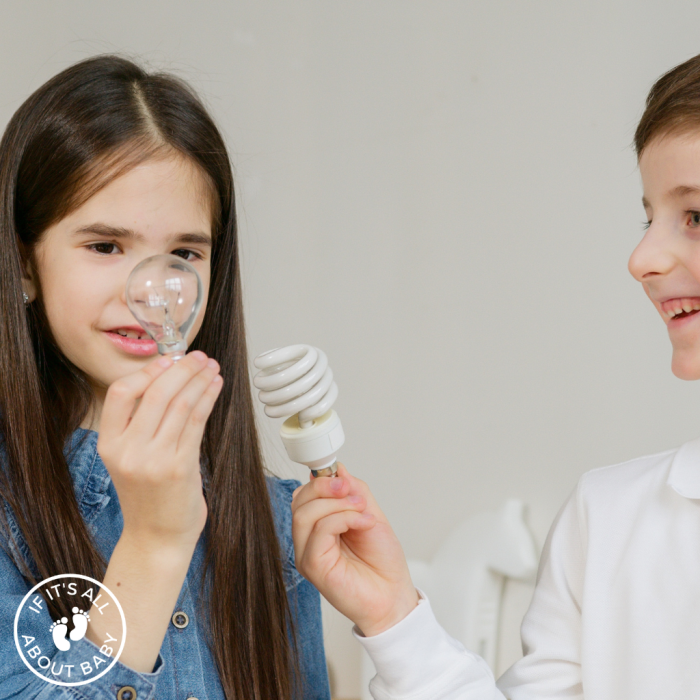
Stage Three: School Age (6–12 years)
This is a unique stage in your child’s journey—the dynamic period of school age. During this time, your child’s emotional landscape becomes richer and more intricate as they start to comprehend complex emotions. With increased understanding, they begin to sow the seeds of deeper emotional intelligence.
Understanding Complex Emotions
During this phase, your child starts to realize that emotions are not solely about comfort and discomfort; they also include nuanced feelings such as guilt, pride, and shame. While challenging, navigating this emotional labyrinth is an extraordinary journey of self-discovery. Encourage them to explore these feelings, strengthening their emotional intelligence and enriching their personal growth.
Enhanced Emotional Intelligence
As they glean into the depths of their emotional world, school-age children begin to deploy sophisticated emotion regulation strategies. This newfound mastery can promote resilience and overall well-being, equipping them with the tools to weather life’s various storms. They’re not merely surviving these challenging times; they are harnessing them to build inner strength and resilience.
Supporting Emotional Growth
Your steady support and open communication during this phase are invaluable. Inquire, listen, and respond warmly to their emotional reflections. Offer your shoulder as a safe haven for disappointments and your applause for their triumphs. These interactions reflect your belief in their abilities while encouraging their expressions of emotional complexity.
In this amazing journey of emotional development, remember that you’re not just observing their growth but actively nurturing it. By standing by them through these years, you’re shaping their world into a nurturing landscape where emotional wellness thrives.
Conclusion
Pathways to emotional growth reveal themselves in many forms, just as each leaf on a tree carves out its distinctive path towards the sun.
As we conclude our exploration of the three stages of emotional development in childhood, let’s take a moment to honor your essential role in this transformative process. This journey isn’t simply about understanding stages—it’s about empowering you to unlock your child’s emotional potential and foster their growth.
Every child—just like every emotion they navigate—is delightfully unique. You are the constant gardener, tending to your young one’s emotional development and ensuring a healthy and blooming emotional landscape. Your words, actions, and even your quiet understanding can shape a narrative of love, strength, and emotional intelligence in your child’s life.
As we’ve walked through these stages together, we hope you’ve been reminded of the immense power you hold. Even at the crossroads and amidst the challenges, bear in mind that vulnerability is the heart of emotional growth. Just as your child grows, your understanding of their emotional needs expands too. Together, you are growing, connecting, and transforming.
Thank you for allowing us to share in your magnificent journey. Cultivating emotional development is no small feat, but with your intrinsic power of understanding and compassion and our shared knowledge, every challenge can be surmounted. Here’s to you, nourishing your child’s emotional health and character like no other!
Discover, Connect, and Grow Together
Navigating the intricate journey of childhood emotional development bears unique challenges and triumphs. Your experiences are invaluable; they paint a vivid tapestry of growth and understanding. Therefore, we warmly encourage you to share your personal stories, insights, and wisdom. As you voice your experiences, remember that you’re part of a compassionate community—a living, breathing network dedicated to growth and support.
By sharing, you not only gain personal insight but also pave the way to light the journey for someone else following your path. Each story and each shared sentiment enriches our collective knowledge and heightens our understanding. You are not alone in this journey. We create a safe place for exploration, discovery, and learning—a place where no question or challenge is too small.
They say it takes a village to raise a child. We believe it also takes a village to understand and support that child’s emotional development. So, join us, share your experiences, and let’s continue to grow together in understanding.
Your voice empowers, and your story matters. Let’s go on this journey together. Share your experience with us today!
3 Key Principles for Positive Discipline with Infants. Read Here: https://ifitsallaboutbaby.com/3-key-principles-for-positive-discipline-with-infants/
Follow us on Instagram! https://www.instagram.com/ifitsallaboutbaby/