Babywearing: 5 Benefits and Options
The benefits of babywearing are undeniable. It’s a healthy, safe way to hold your baby, and it allows you to be hands-free so you can get things done. Plus, there are so many options! There are special carriers for newborns and toddlers alike, as well as wraps for older children.
In this post, we’ll explore some of the top benefits of babywearing, including how it reduces stress in babies, helps them sleep better at night, and more!

#1 Babywearing is good for babies.
When you carry your baby, they feel safe and secure. They are held close to their parents, and they will often sleep better. Babies love being close to their parents because it helps them feel loved, cared for, and protected. There is also something about the motion of being carried that soothes babies—they may even be able to fall asleep in the sling if it’s worn correctly!
Babywearing helps your baby develop motor skills as well as emotional development. It promotes balance between physical strength (holding up a child) and emotional strength (loving them). It also helps to strengthen the bond between parents and children.
#2 Babywearing is good for parents.
Babywearing is an amazing way to bond with your child. It allows you to spend time with your little one while doing other activities, such as cooking or cleaning.
Babywearing helps you feel more connected to your baby. You’re able to soothe their cries, cuddle them close, and kiss their cheeks without having to worry about dropping them or letting go because they’re secure in their carrier!
Some parents even find that babywearing helps them get things done around the house faster because they don’t have to keep going back into another room every time they need something (like a diaper).
#3 Babywearing helps babies sleep better.
The closeness that comes from being carried around all day promotes better sleep at night. Because it mimics the position they would be in if they were still inside the womb.
It’s true! It’s a fact that babies who are held or worn in a carrier tend to fall asleep faster and stay asleep longer than those who are left to cry it out on their own. This can be especially helpful during the newborn stage. When your little one needs lots of sleep but is too small and fragile to be put down for very long periods of time.
Babywearing helps parents sleep better, too! Studies have shown that parents who wear their babies at night report feeling less stressed than those who don’t (which means less tossing and turning).
#4 Babywearing helps with breastfeeding.
Babies who are held close to their mothers’ bodies have been shown to nurse for longer periods of time than those who are placed in strollers or carriers that are not close enough for skin-to-skin contact.
Babywearing allows you to position your baby in a way that makes it easier for them to latch and for you to maintain a good supply. This will help with bonding and emotional support. If your baby is having trouble latching, wearing them in an upright position may help them find their mouth more easily than when they’re lying down on your chest or back (the most common positions).
#5 Babywearing saves money.
It’s cheaper than buying a stroller or car seat. It is cheaper than buying a baby carrier; and it’s even cheaper than hiring a babysitter!
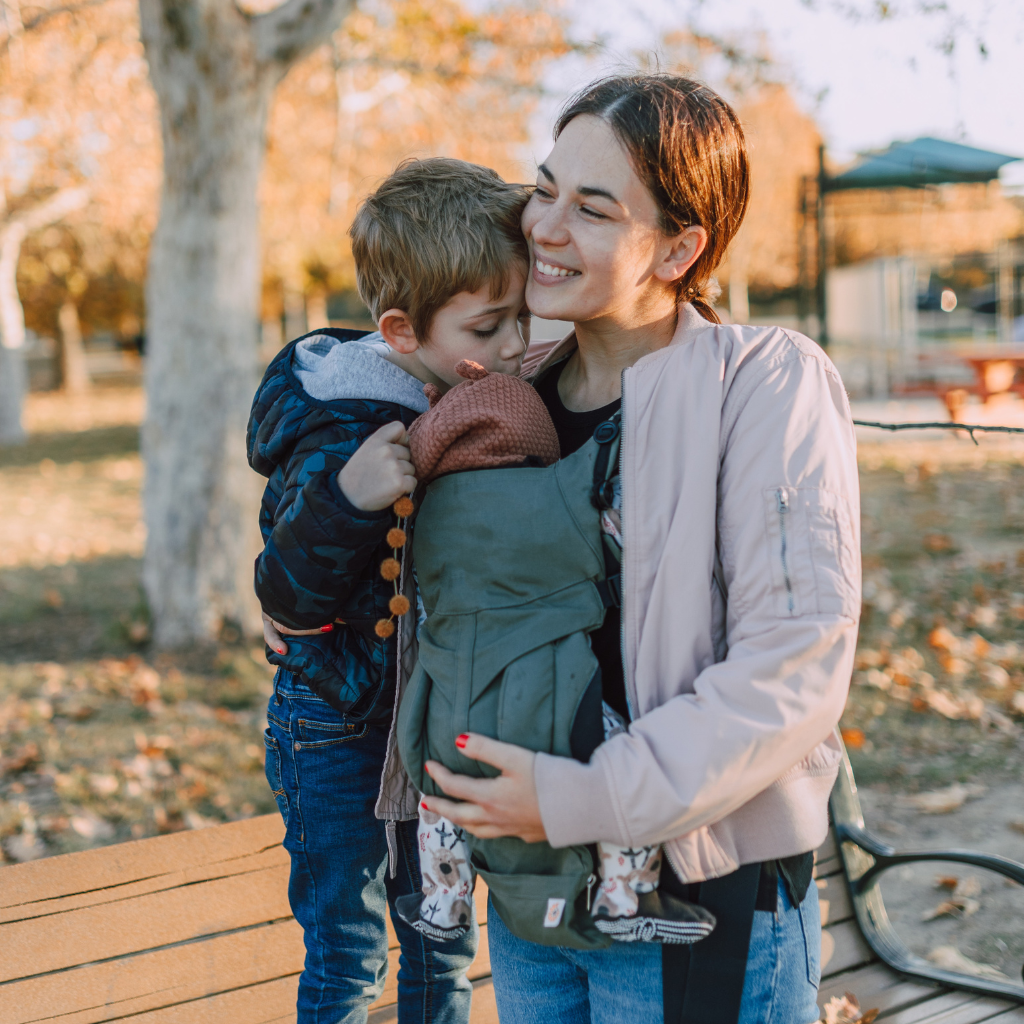
It’s important to try a variety of different carrier options before deciding which ones work best for you and your baby.
Each type of carrier has its own benefits and drawbacks, so it’s important to find the one that works best for you.
Try out different carriers with different features, such as:
- Adjustable straps or buckles
- Soft fabric (like cotton) vs. stiff fabric (like nylon)
What to Consider Before You Start Babywearing
Before you start babywearing, there are a few things to consider. First, it’s important to note that babywearing is not for everyone. If your child has special needs or medical conditions that require constant monitoring and care, then you might want to reconsider using this method of carrying them around with you all day long.
Secondly, there are several different types of carriers on the market today, each with its own pros and cons. Choosing which one is best for your family will depend heavily on your personal preferences as well as their age. For example:
- Some parents prefer slings because they’re easy-to-use. However, these only work well until babies reach about 12 months old before they start getting too heavy for these types of carriers.
- Other families like wraps because they provide greater support than other options such as buckles or snaps. However, these take some practice before becoming comfortable enough to use regularly without worrying about hurting yourself while doing so.
Many parents swear by babywearing, but it’s not for everyone.
Babywearing is not a must, and it’s certainly not the only option. There are many other ways to care for and bond with your child that don’t involve carrying them around in a sling or wrap (though those methods have their merits too!).
Now that you have a better understanding of babywearing, it’s time to make a decision. You can choose from several different types of carriers and wraps, each with its own benefits and drawbacks. Whatever type you choose will be perfect for you if it makes your life easier and more enjoyable!
10 Fun and Educational Activities for Kids at Home: https://ifitsallaboutbaby.com/10-fun-and-educational-activities-for-kids-at-home/